The Manuscript Academy Podcast
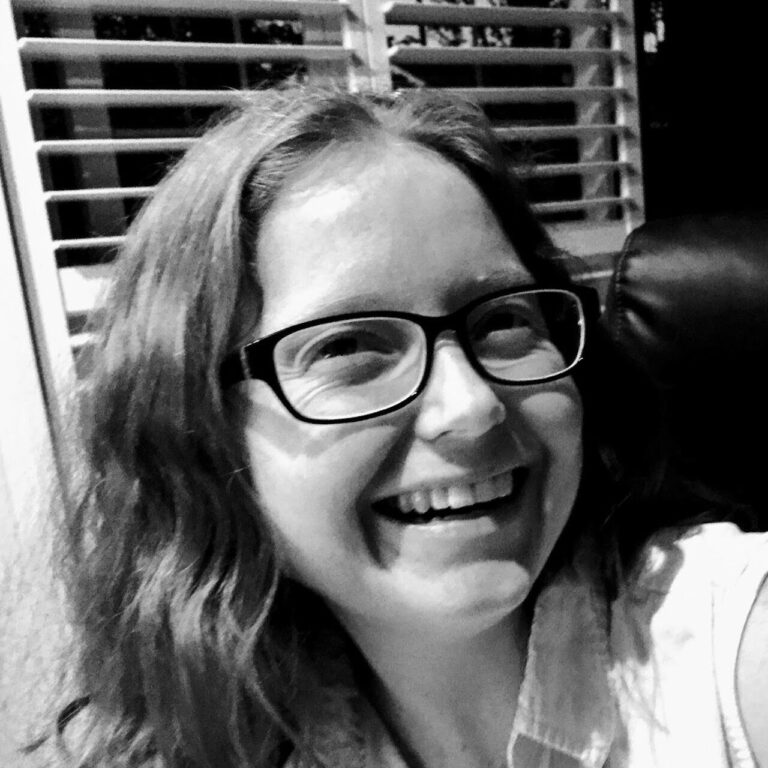
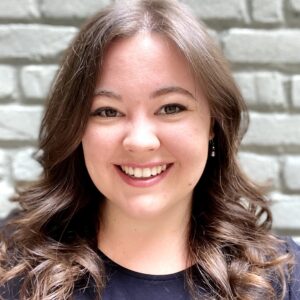
With Author Nancy Tandon
Join us December 5 for Nancy’s class, You Belong Here (meant to alleviate the “walking with your cafeteria tray toward the popular kids’ table” feeling of pitching agents): manuscriptacademy.com/you-belong-here
After an exceptionally rocky entry to publishing—including a *five year* delay—Nancy Tandon is a well-regarded Middle Grade writer who manages to make her voice (and mystery!) age appropriate, her worlds intriguing—and the plot lines *just* advanced enough that readers of all ages can be surprised and delighted.
Nancy Tandon is a children’s book author who loves sharing all kinds of stories. She has worked as an elementary school teacher, a speech-language pathologist, and an adjunct professor of Phonetics and Child Language Development, all of which helped plant seeds for stories about awesome kids doing brave things. Her debut middle grade novel, The Way I Say It (Charlesbridge, 2022) was an American Booksellers Association Indies Introduce and Indies Next pick as well as a Junior Library Guild Gold Standard Selection. She is also the author of The Ghost of Spruce Point, forthcoming from Aladdin/Simon & Schuster (2022). Born and raised in Michigan, Nancy now lives with her family in Connecticut.
Learn more about her at nancytandon.com/.
Transcript
[00:00:00] Julie Kingsley: Welcome to the Manuscript Academy podcast, brought to you by a writer and an agent who both believe that education is key.
[00:00:11] Jessica Sinsheimer: The beauty is the people you meet along the way
[00:00:14] Julie Kingsley: and that community makes all the difference. Here at the
[00:00:18] Jessica Sinsheimer: Manuscript Academy, you can learn the skills, make the connections and have access to experts all from home.
[00:00:26] Jessica Sinsheimer: I’m Julie Kingsley. And I’m Jessica Zinsheimer.
[00:00:29] Julie Kingsley: Put down your pens. Pause your word counts and enjoy. I am so pleased to have a very special guest today, Nancy Tandon, and we’re here talking about her second book, The Ghost of Spruce Point. Welcome, Nancy.
[00:00:48] Nancy Tandon: Yay. Thank you so much. Thank you, Julie and Jessica.
[00:00:52] Nancy Tandon: This is such an honor and such a blast for me to be chatting with both of you. Oh,
[00:00:58] Jessica Sinsheimer: I’m so happy you’re here. I [00:01:00] remember this moment when I was reading your book. I was actually in Maine on a porch. It was one of those ones with all the windows. Love that design, whoever came up with that. And it was when I believe the Confidential Kids Club was going to meet.
[00:01:13] Jessica Sinsheimer: Did I get that right? Yes.
[00:01:16] Nancy Tandon: Kids Confidential Meeting.
[00:01:18] Jessica Sinsheimer: Yes. So it was time for them. So it was the first kids confidential meeting and I just had this flashback to how much fun it is to be that age and have like these secret missions that you go on and these secret things you’re working out and like your parents kind of know and it’s not like you’re doing anything bad but it just it put me right back into that moment and I’m in life and I just thought you did that really well.
[00:01:42] Jessica Sinsheimer: So that’s something I really love about middle grade and pieces that are a specific age. It can just really make you snap back to that. How’d you do that?
[00:01:49] Nancy Tandon: Thank you. Yes. Um, that was such a fun piece to write into that story because that is from an actual childhood memory of mine and my sister who was four years older and I have an older [00:02:00] brother.
[00:02:00] Nancy Tandon: So it was one, two, three. Three kids, I’m the third and she would every now and again, burst out KCM, KCM. And we’d take off running behind her, not having a clue. I’m a little list. I didn’t know what it meant or anything like that, but kids confidential meeting meant your sister’s about to take you like up to her room or out into the backyard, and we’re going to have this secret special meeting.
[00:02:21] Nancy Tandon: Well, nothing happened. Nothing happened. And you would yell KCM right in front of the parents. Like you said, the parents knew you were headed out to a confidential meeting. Although I do remember one time, specifically the goal of the, of the KCM was to get ice cream. And they decided that I, as the youngest child should go ask if we could have ice cream because it would, you know, more likely be said yes to the youngest child.
[00:02:43] Nancy Tandon: So that, that kind of thing to be. To grow up in a household where you had a sister who literally created magic for you in that way. That was so fun for me. And that was such a great way to sort of give her this really fun nod in the book. And her name is Jenny, and there’s the aunt [00:03:00] Jenny in the book is, you know, sort of the whole thing was a big nod to everyone in my family.
[00:03:03] Nancy Tandon: But another way that I grasped onto that joy of childhood is particularly in this. book, I was going off of the memories and the precious times I had in Maine on a peninsula, um, on the coast watching my two kids and my brother’s two children just romp around in total freedom. No screens, no real, really no connection to their real lives.
[00:03:28] Nancy Tandon: And it was always this little chunk of heaven that you could sort of picked up out of real life and lived these two weeks. Um, hopefully if you got that much time of freedom in those Maine woods and the silly, silly stuff that they would get up to and in trying to conjure up both the setting, but also the feeling of what it feels like to be a kid in the summertime in that setting.
[00:03:50] Nancy Tandon: Um, it just came straight from observing the kids play.
[00:03:53] Julie Kingsley: My gosh, it’s really fun. You, you nailed that part of it. I loved it so much, especially the main are here. You know, [00:04:00] like it brought me right back to those summers. So like, let’s go back. Tell us about your publishing
[00:04:04] Nancy Tandon: journey. I’ve had a very interesting when people say, Oh, I’ve had a rocky start.
[00:04:10] Nancy Tandon: And then other people in the group say, Oh, well, have you talked to Nancy Tandon? Because And that’s, yes, exactly. Um, for those of you listening, Jessica’s mouth just fell open because, you know, everybody does have a story. Everybody does have a struggle. Publication writing for publication is hard. We get that it’s, it’s really, really difficult.
[00:04:28] Nancy Tandon: But what I was not expecting is that from the time I signed my first contract for my first book until the time that book came out, it was seven years. It was a five year delay of the time that the book was. Oh, my God. So how did that happen? Well, I signed with a very small press. I did not have an agent.
[00:04:48] Nancy Tandon: I signed with a small press. I was thrilled. That was the goal. I just wanted to get the book out there and wanted to start sharing with kids and have a product so that I could start doing school visits, et cetera, et cetera, and shift my life and career in that [00:05:00] direction. That small press got acquired by a larger press, which is great news.
[00:05:05] Nancy Tandon: If the larger press does want to take your book, and in the beginning we thought that they did, but it turns out the small press was going to remain as an imprint and do, um, nonfiction picture books, which my first book, the way I say it is a contemporary middle grade novel. It’s not a nonfiction picture book.
[00:05:22] Nancy Tandon: So I sort of just fell through the cracks and fell out of that contract. So that obviously was very stressful at the time. I remember feeling embarrassed. I had told everyone and their cousin That I was having a book published and this was happening for me and then have to have people say What’s going on with your book and have to say?
[00:05:40] Nancy Tandon: Oh, I don’t even have a book deal anymore and I don’t have an agent and etc, etc, etc So fast forward, let’s fast forward the fun part. I kept trying. I kept going to conferences. I mean, while I was writing, because seven years time, I was writing the Ghost of Spruce Point at the same time. And I was querying that one to agents because it was fresh, right?
[00:05:59] Nancy Tandon: It didn’t have [00:06:00] any baggage with it. And I went to a New England SCBWI conference and Karen Boss from Charles Bridge did a session on voice, character voice. And I went to that session and I thought, Oh, my God. She is cool. Like, and if you’ve met her in person or ever heard her present, she’s just very engaging and easy to listen to.
[00:06:20] Nancy Tandon: And I just knew she’d be fun to work with. And after the conference, there was an invitation to submit to editors who had been involved with the conference and I sent her the manuscript and she liked it. And in fact, she loved it. And she. She bought it. In the meantime, in that exact same time period, I got an offer of representation for The Ghost of Spruce Point and that offer of representation came through connections I had made from the group, the 2018 debut group, that my first book was supposed to come out.
[00:06:50] Nancy Tandon: So it’s It’s just, you never know, even in like the midst of that great disappointment of my 2018 book deal, not happening until 2022, I met the people [00:07:00] that I needed to propel my career to the next level. And of course that old saying, like, you know, you don’t know what you’re going through till the end.
[00:07:07] Nancy Tandon: You don’t know why. And I was like, I got so sick of that saying, I just wanted to know why, why is this all happening to me? But all that said, my new agent helped me negotiate the contract or the way I say. And she sold the Ghost of Ceruse Point soon after. And that is how I ended up having double debuts, twin debuts in the year 2022.
[00:07:28] Nancy Tandon: So I made the best of that that I could too. I just, I thought I’m just going to turn everything. I’ve got to turn this. On its head and I saw two in 22 became my catchphrase and I made big jokes having twins and I took the twins to see Santa and I took the twins here and there and it was a blast. It was a blast.
[00:07:47] Nancy Tandon: So anyone out there who thinks like, okay, it feels like this struggle is too much in this journey is too long. Just think, you know, well, maybe. This is all happening. It really is happening because something fantastic is [00:08:00] coming down the road for me. I
[00:08:02] Jessica Sinsheimer: love that. And I love the good lesson in there of just maintaining these relationships with the people who creatively inspire you, not just because someday they might introduce you to your agent, but you just never know, you never know who’s.
[00:08:16] Jessica Sinsheimer: going to have that one piece of insight for you, or that one connection for you, or that one just feeling, kind of like that feeling when you have a book and you’re like, friend, you need to read this. When people around you are following those impulses, amazing things can happen. So I’m so glad you maintained those connections.
[00:08:35] Jessica Sinsheimer: Yes,
[00:08:36] Nancy Tandon: very true. And I would also add that if you think about it, is that maybe the point of this whole journey is that you’re meeting humans and making connections with them. We’re trying to do that with our books. But meanwhile, as writers and creatives, the people you’re gathering as you, as you go along is, it’s really, that’s, that’s where the beauty is.
[00:08:54] Nancy Tandon: So I’ve really tried to focus on that.
[00:08:57] Jessica Sinsheimer: Julie always says
[00:08:58] Julie Kingsley: that. Right? I [00:09:00] was like, that’s right.
[00:09:03] Nancy Tandon: You’re so smart, Julie.
[00:09:05] Julie Kingsley: Well, I mean, it’s true though. Like I, it’s. Because it’s too isolating. Otherwise, like, I’m not sure I could even be in this business without the connections because, you know, like, I think a lot of us are like that introvert extroverts, but like a storyteller needs the energy of people at times so that you can kind of revert back in and then explore your world.
[00:09:29] Julie Kingsley: It’s really interesting. So this sounds like a journey. So tell us about the call. So, like, you get the agent, you make the call. How did you decide on this agent? What was that like?
[00:09:40] Nancy Tandon: Well, that was a blast because after all that time, then I had four or five agent calls that week. Once I got an offer of representation and you reach out and say you have it, it moves you to the front of the queue because everyone is busy.
[00:09:55] Nancy Tandon: And they’re like, wait a second, who was this Nancy again? Let me look at this stuff. Oh yeah, I hadn’t gotten to it yet, [00:10:00] but maybe we would want to. So it was a real treat and it was very awkward for me to interview agents. I was like, wait, I’m supposed to be, it felt like I’d been groveling, you know, for, for years, it felt like I had been in the groveling position.
[00:10:13] Nancy Tandon: And that’s when I really realized, okay, this is straight up a business. They’re not, no one has ever been spending their time wondering if they like me as a person. They’ve simply been thinking about this project. Does it fit for their, for real? Does it fit for their list? All those things we hear about when we hear, we feel like we’re getting a cliche rejection.
[00:10:31] Nancy Tandon: So that was a blast to set up phone calls and ask all these different. People, and I just knew at the time, my agent was Emma Sector. She was with prospect agency and I got to her through Rachel or who I met at a conference. Anyway, she was very instrumental in passing along to Emma and Emma. And I were a fantastic fit and she really, um, was an editorial agent and she whipped goes to Spruce Point into [00:11:00] shape so that when she went to sell it, it sold quickly.
[00:11:04] Nancy Tandon: You see the journey continues, continues. Emma, um, left agenting. And I was just like, no! We just met and you’re so amazing. But, because I’m with Prospect Agency, who it’s just a lovely, lovely group of people. And not a single client got dropped when Emma left. Not a single client. And she was new, and that was really nice.
[00:11:26] Nancy Tandon: Amazing. You know, you hear stories from other friends. I think it’s a lot more common to lose your agent. I put that in air quotes, you know, to, for that to not work for whatever reason, it’s a lot more common than we think, but to have everybody, no one got lost in the shovel. So now my agent is The beautiful Charlotte Wenger.
[00:11:45] Nancy Tandon: And, um, she is just extremely encouraging and again, same type of feeling, easy to talk to. And no surprise that it’s often, maybe Jessica, you can tell me if I’m right or wrong on this, that agencies themselves tend to have a [00:12:00] personality. It’s like the agents in that agency sort of all get along is what I was guessing.
[00:12:05] Nancy Tandon: Agencies
[00:12:06] Jessica Sinsheimer: usually do have a personality, because of course, like, the way the work is, it’s so creative, it’s so much emotional investment, like, you really have to like and trust your colleagues, but also your clients. So when you were saying it was purely business and it had nothing to do with if they liked you or not, I would tend to disagree.
[00:12:22] Jessica Sinsheimer: Like, I think that agents want to at least have a rapport with somebody. And you’re delightful, Nancy. Like, so I can see how that just all worked out. You should give yourself credit on the, um, being fun to have around.
[00:12:35] Nancy Tandon: Okay, well, thank you for that. And I did, I have thought to myself that because I had a sit down conversation with Rachel at this was at Whispering Pines, which was a conference that used to run based in Rhode Island.
[00:12:48] Nancy Tandon: Because we got along so well, I thought maybe it was easier for her to say to her coworker, you know, I. This is somebody who has a polished manuscript ready because the, the manuscript had been edited [00:13:00] professionally because it was supposed to be coming out. And maybe, maybe she also said, and she’s, you know, she’s not too strange.
[00:13:07] Nancy Tandon: You might enjoy being around.
[00:13:10] Jessica Sinsheimer: One, one question I have from earlier. So you took your books to see
[00:13:14] Nancy Tandon: Santa. I did. Um, I live in a really sweet town. Think of, um, Gilmore Girls, Stars Hollow, that’s kind of where I live. And we have um, Santa greeting down at our little boathouse that’s on the Connecticut River.
[00:13:27] Nancy Tandon: And I thought I’m doing it. And I put on my green sweater and I took them and I explained to Santa, um, what I was doing. And, uh, we got a picture and it was really fun.
[00:13:38] Jessica Sinsheimer: Oh, wait. So Santa’s just there holding the books.
[00:13:40] Nancy Tandon: Yeah, uh huh. They’re on his lap. Mm hmm.
[00:13:43] Jessica Sinsheimer: Did they ask for anything for
[00:13:45] Nancy Tandon: Christmas?
[00:13:46] Nancy Tandon: Well, they’d already gotten everything they wanted. They just wanted to be out in the world and being read by kids.
[00:13:51] Julie Kingsley: I love that so much. So can you read to us from the first page of The Ghost of Spruce Point?
[00:13:58] Nancy Tandon: I would love to. [00:14:00] And I’ll tell your listeners, uh, I think, what I think is a fun fact is, the first page, when I sold the book, was how chapter three starts.
[00:14:08] Nancy Tandon: So it used to start with this sentence, the sound of Frankie’s whistle, four high pitched wheets. sends me flying to my second floor bedroom window. And it started with this scene of Parker, the main character, and his best friend Frankie, who’s from away and visiting for the summer, exchanging a message back and forth.
[00:14:25] Nancy Tandon: And my editor, who is, um, Allison Heller at Aladdin, who’s amazing, and I Felt that she trusted me almost too much because she kept giving me big assignments and then trusting me to do them. But she said, you know, look, this is a ghost story. The cover is super cool. Um, kids are going to pick this up and want to be kind of creeped out right away.
[00:14:45] Nancy Tandon: And I said, you are right. We don’t want to start with a happy go lucky. So now chapter one starts. The blood red moon casts an eerie glow over the bay. Fog lifts off the ocean and swirls [00:15:00] around us as the lapping splash of the incoming tide sways the thick wooden posts of the dock beneath me. If there is a perfect time and place for a ghost story, I’m sitting smack Stab in the middle of it.
[00:15:12] Nancy Tandon: Ah, I love that. Dun dun
[00:15:17] Nancy Tandon: Uh, and I’m really, I’m one of those people who can’t even watch the commercials for scary movies, and so I really had to dig deep. I had to get into some scaries places myself because the story was really much more of a cozy mystery and a little bit less scary, and she really helped me kind of pump it up.
[00:15:33] Nancy Tandon: Wait, how
[00:15:34] Jessica Sinsheimer: do you do that? So, you can’t, like, do quote unquote research on scary stuff if you’re afraid to watch it, so how do you access that in your brain to write it on the page? Well,
[00:15:45] Nancy Tandon: it was really scary, and I thought, okay, I can read children’s books, but I tell you what. Some of the authors out there, like Lindsey Curry, she’s an incredible, um, writer of spooky books for kids.
[00:15:56] Nancy Tandon: And I read, um, whispering pines, which was by Heidi, [00:16:00] Heidi Lang and Katie Bartkowski. And I was like, these stories are freaking me out, like really creepy stuff. And then, um, I met Lori and Lawrence. She is a middle grade author here in Connecticut. Her series is called Fright Watch, and the first one is called The Stitchers.
[00:16:17] Nancy Tandon: And there’s these creepy people who literally, like, their skin is stitched on. And there’s some really scary stuff. And I was trying to read Mary Han is the last name. She’s well known for, um, spooky kid stuff. And I remember my kids passing around the cover of this book when they were in, like, fourth and fifth grade about a drowning.
[00:16:38] Nancy Tandon: And, um, I was like, I gotta read it. I gotta do it. Security, I have to read during the day. I’m really, really afraid of cats. Oh, that’s so sweet. It was fun. It was fun to make some connections there, too. There’s a whole world of middle grade horror that’s just, it’s a little deep for me. Mine is definitely a, you know, safe to read around an eight year old.
[00:16:58] Nancy Tandon: I’m
[00:16:58] Julie Kingsley: always interested [00:17:00] in… Literacy, you know, readability for kids, you know, while still keeping it like super age appropriate and engrossing and engaging all those things, I felt like this was a pretty spot that the voice was spot on for middle grade. The readability was. How did you get to a place with perfect middle grade pros?
[00:17:20] Julie Kingsley: First
[00:17:20] Nancy Tandon: of all, thank you for saying that. It’s a nice thing to hear, um, because it is obviously something we struggle because you can’t, one of these days I’m going to write a novel for adults where I can just use all the vocabulary. And I do love putting in juicy vocabulary, but you can’t, there has to be some pullback.
[00:17:36] Nancy Tandon: You have to pull back to make sure that kids are going to be able to enjoy this and enjoy. Right on their own and have that excitement of accomplishment of I’ve read my own book. I don’t know that I have an answer of how I did it, but I do know that I think one of the ways to get into that zone and land yourself in the level you need to be is.
[00:17:55] Nancy Tandon: through the dialogue. So if you are writing dialogue that rings [00:18:00] true to kid voices, that helps your whole novel is then going to kind of stay in that level. In this case, my main character is essentially the narrator. So we’re always in his head and we’re never going to be too far above his head and we’re never going to be too far below his head.
[00:18:16] Nancy Tandon: So that’s one way to look at it is what would your main character say when they’re describing a setting? How would they think about it? And never, never, never, not to say it’s dumbed down, not at all, but just, um, keep it readable, like you said. And I was very excited when someone reached out to me, a retired teacher librarian, and she asked me if I, if I did that on purpose.
[00:18:38] Nancy Tandon: And I said, what? And she said, the way the words are printed on the page in the Ghost of Spruce Point, the actual layout of the book, um, there’s a little bit more white space between the lines. than in a typical, um, novel. And she said it was, it’s so, so helpful for kids with dyslexia if they can have just a little bit more white space like that.
[00:18:58] Nancy Tandon: And so I had asked for her, [00:19:00] um, whether the publisher had designed it that way on purpose, because I know a lot goes into the book design, and they said not really. They hadn’t done that on purpose. They just were making sort of a kid friendly font. And if your listeners get a chance to open up the Ghost Spruce Point, you’ll see what it, it just is a welcoming, it’s a welcoming font.
[00:19:16] Nancy Tandon: It’s that little bit like that feeling you get when you open up a novel in verse and you’re like, ah, that beautiful cushiony white space is there. It’s not quite like that, but there’s a little extra space for your eyes to rest.
[00:19:28] Jessica Sinsheimer: The opposite of when you open a book and the type is so tiny and so close together that as much as you want to read it, It can’t be done.
[00:19:36] Nancy Tandon: Not happening. Not happening.
[00:19:40] Jessica Sinsheimer: That’s such a beautiful thing though. I didn’t know that adding extra space would help kids with dyslexia. Like, what a wonderful thing. Um, I’m sure it ends up costing a little bit more just because it means more paper. But gosh, if there could at least be editions available, even if it’s an extra dollar or two for everybody.
[00:19:57] Jessica Sinsheimer: I’m surprised that’s not something people think about. I [00:20:00] know.
[00:20:00] Nancy Tandon: I thought about that, too. I thought, well, I had never thought about that either. And my publisher said they hadn’t really either. So I know that there’s a big push for those high low books. Um, and I’m guessing that in those high interest, low vocab stress, maybe those books do have white space on purpose.
[00:20:17] Nancy Tandon: Anything
[00:20:17] Jessica Sinsheimer: we can do to make kids comfortable reading, and I love that because that’s something that we’re all thinking about when we make these books too, right? Like, our target audience is young, but it’s adults making these decisions, trying to put themselves in that perspective.
[00:20:30] Nancy Tandon: Right, right. Another thing that the designers of The Ghost of Spruce Point did that blew my mind, that is so, So so kid friendly is the cover on the hardback anything white on the cover glows in the dark And I mean, I was just like mind blown I had no idea until I went to sign pre order copies and I was like, oh this the texture’s cool It feels different and I thought oh my gosh and My friends at my little indie book, bookstore here in my town, Riverbend Bookshop, they were, they were kind of like [00:21:00] snickering because they had already figured it out.
[00:21:01] Nancy Tandon: They were like, go in the bathroom, go in the bathroom, like when you’re a kid and you juice it up in the light and you turn the light off. And I was shrieking and we were so excited. So I’ve had a lot of fun at book festivals. I made a DIY, like a peek inside little shoe box diorama where kids can turn a flashlight on and off and see the book glow in the dark.
[00:21:20] Nancy Tandon: And so that’s, that was such fun kid appeal, especially around Halloween and all that. Um, and now it’s out in paperback and I’m thrilled about that, but it doesn’t glow in the dark and I’m like, okay. This story has to stand on its own two feet now. Well, this is interesting.
[00:21:37] Julie Kingsley: Yeah. Like all of these things, like I was struck when I, I saw you talking about your book launch online and I was like, this is a genius book launch.
[00:21:49] Julie Kingsley: And then I went to your website and I found all kinds of cool things for kids there as well. So talk to us about the book launch and how you make your [00:22:00] site super friendly.
[00:22:01] Nancy Tandon: Okay, fun. Yes, I do love, I love the thought of a kid could go on there and play around or a teacher could go on there and get some things to help augment a lesson plan that they might be doing with either book.
[00:22:13] Nancy Tandon: The book launch for this book was extremely special because I got to have the launch in the inn, at the edge of the water, on what I believe is Scrooge’s Point. Uh huh. Uh huh. in Blue Hill, Maine, and they did a dinner for us and we had a bonfire afterwards. It was just surreal to actually be in this in celebrating with my family.
[00:22:39] Nancy Tandon: That was the launch party dinner celebration. Because in January 2022, when my first book came out, I didn’t really get to have it was still we were still thick into COVID. I did a What I thought was a really fun hybrid book launch for that one. And then fast forward to Ghost of Spruce Point. I remember one of my favorite quotes about book launches.
[00:22:58] Nancy Tandon: It was, it’s from Jarrett Krasuska. [00:23:00] It was at a new England conference. And he said, you get one book launch, like you’re going to get one where they all come, you know, all your friends and friends you knew growing up and your neighbors and your family, you get one of those. So I kind of had that in a hybrid way with my first launch.
[00:23:17] Nancy Tandon: So for the second launch, I thought I did something very clever. I had it on vacation in the town where I had set the book. So we did it at that library in that town. P. S. I organized a family reunion around that week. That made for something fun too. And in both instances, the way I like to approach a book launch, and the way I encourage other people to do it, is to see it as you are hosting a party for guests.
[00:23:43] Nancy Tandon: It’s not exactly about selling books. Most of us aren’t at the level of like a Jodi Picoult where her book launch is actually, is about selling books. Your people that are coming to your book launch is a, they’re a sure thing. They’re going to buy your book. So host a party for them. They’ve [00:24:00] probably supported you along this way.
[00:24:01] Nancy Tandon: I like to make sure there are games and activities around the room because there’s going to be somebody in that room who got dragged there by a parent or a spouse. Let them have some fun, have some refreshments, you know, ask your local bookstore, can I have just a bottle of wine or champagne? Or if it’s for kids, you know, have something to eat and drink that’s thematic to the book.
[00:24:22] Nancy Tandon: So that’s how I approached those two different book launches. But being able to celebrate that evening in the inn with the bonfire afterwards, right on the point. That I had, you know, I fictionalized it to be Spruce Point, but that was pretty darn special. I would say that was literally one of my top 10 days.
[00:24:40] Nancy Tandon: It was really special. And a fun fact, I say this because I know Julie is a Mainer. The old Mainer who runs the inn, I’m explaining to him that I’m having this book launch and he asked me what the book was about and I told him it’s, it’s sort of set here. The main characters parents own the inn and the cottages that are on the [00:25:00] property.
[00:25:00] Nancy Tandon: And I said, and they, and they think a ghost moved in next door. And he said to me, oh, you mean like the ghost that lives on the third floor here? And I was like, what? No, I did not. I had, I had not known that local legend and I was freaking out.
[00:25:17] Jessica Sinsheimer: Did you go visit the
[00:25:18] Nancy Tandon: ghost? Well, of course, then I had to go up to the third floor, and it is a spooky old inn, and it has like those white lace curtains, and they’re blowing, and the wind isn’t blowing, I was just like, oh, yeah, that was just a fun, like, come to life moment that was special and memorable.
[00:25:32] Nancy Tandon: Well, I was going to
[00:25:33] Jessica Sinsheimer: ask how the call went, like, hello, so I set a book at your hotel, I’d like to set my book launch at your
[00:25:39] Nancy Tandon: hotel. Yes, I kind of, that’s what I did. Exactly that. I mean,
[00:25:43] Julie Kingsley: that’s a lifelong customer right there. You know, like that’s the type of thing that you have for the kids. That’s like sales, sales, sales.
[00:25:51] Julie Kingsley: Mm
[00:25:51] Jessica Sinsheimer: hmm. Yeah. Put some copies of the front
[00:25:53] Nancy Tandon: desk. Exactly, exactly. The community where that is, it is called Brooklyn, [00:26:00] Maine, Brooklyn with an I, and they have been extremely welcoming of me. The library, and there’s a gift shop up there that ran a children’s author book fest this summer and invited me. Just really, really welcoming.
[00:26:13] Nancy Tandon: That means a lot.
[00:26:14] Jessica Sinsheimer: That’s nice. So I would like to talk about the mystery elements. So, how do we make a mystery appropriate for kids in that they can understand it, but all the adults aren’t from page, like, five, knowing exactly what’s going on?
[00:26:29] Nancy Tandon: I think how you do it is you remember how smart kids are. So you almost treat the mystery elements as if you’re writing them for a grown up.
[00:26:38] Nancy Tandon: The only thing is you’re, in my case, I would just, you leave out the gore, you leave out the jump scare that actually has the severed head. You just make it a jump scare that is a bird flapping up to the window right the moment they’re peering out the window. But especially fun in writing mystery is figuring out where you’re going to put in your clues.
[00:26:57] Nancy Tandon: And which of those clues are going to be red [00:27:00] herrings and then making sure that your setting becomes in this instance, my setting really did become a character and became part of the spookiness and Julie knows this well from any, if you’ve ever spent time in a, in a cooler coastal setting. Like, um, even if you’re on the West coast and you’re, you’re up in the Pacific Northwest or certainly Maine, New Hampshire, when that fog rolls in and it’s slightly cool and you can smell that pine and you can hear the playing plong, the buoys are going out.
[00:27:31] Nancy Tandon: It lends itself so well to that spooky element. That’s why a lot of these. Things in movies that happens in the dark basement. That’s freaking scary. You know, you want to have that little bit of chill, always running under, even when the kids are happy. Oh, but they’re in the middle of the woods. Last time we were in the woods, the big storm came through and like things could change at any moment.
[00:27:51] Nancy Tandon: So that’s, that’s one of the fun ones. And I think for kids too, and when, when writing mystery for kids, it is so imperative and also just [00:28:00] downright fun to add in the, the spy elements, for example, the clubhouse. So, okay, where’s your clubhouse? Where’s going to be their meeting spot? Are they going to have a stakeout?
[00:28:10] Nancy Tandon: Stakeouts usually involve a sleepover. Sleepovers are fun for kids and, and creepy things can happen at sleepovers with candles and candles blowing out and things like that. So, or having a clues notebook. I had fun, you know, designing that these kids had a clues notebook. And when the handwriting went in the notebook, I love the way the designers of the book actually had the handwriting change.
[00:28:33] Nancy Tandon: Whether I was having one character write a note to someone, or the handwriting in the notebook, that was fun for me too. Um, that’s basically how I keep it kid friendly. One of the things for me that was really fun is playing a lot of music. In both my books, I really had sort of soundtracks going. So that’s one of the things Julie I was talking, speaking about seeing on my website, kids can go on my website and, and actually listen to the soundtrack I was listening to when I wrote the [00:29:00] book.
[00:29:00] Nancy Tandon: The Ghost of Spruce Point, it made a ton of sense for me to use like sea shanties as a little bit of a soundtrack. So there’s one on there that’s quite upbeat and it kind of gives you that flavor of, oh, the kids have just gathered and they’re running through the field and it’s a fun, warm summer day.
[00:29:17] Nancy Tandon: And then there’s one on there that gets a little bit more, you know. I thought I heard the old man say, and you’re like, Oh, okay, here we go. You leave her, Johnny, leave her. And then you get that creepy factor going in. And one of the fun things about that soundtrack that I have on there is a family friend who was a pianist.
[00:29:38] Nancy Tandon: His name’s Paul Sullivan and he lives in Maine. And he wrote so many songs that I was like, dang, this one’s good too. This one’s good for the fog rolling in scene. This one’s good for the, you know, And kids lost in the woods scene. So he’s, he’s on there a lot too. And that was a, that was a fun thing to play with.
[00:29:54] Nancy Tandon: That reminds
[00:29:54] Julie Kingsley: me. Oh, go ahead. Well, I was just saying that I was, I’m a huge believer that if you make a [00:30:00] soundtrack, you can get the beat of the soundtrack into your work. And I feel like you captured that beautifully. Um, we’re definitely gonna put that in the show notes. So you can check out Nancy’s
[00:30:10] Jessica Sinsheimer: playlists and we’re going to make some playlists for everybody and Spotify pretty soon, right, Julie?
[00:30:15] Jessica Sinsheimer: Yeah,
[00:30:15] Julie Kingsley: yeah. We’re working on that right now.
[00:30:17] Nancy Tandon: Mm hmm. Very cool. You mean like writing music to write by? Yeah. We
[00:30:21] Julie Kingsley: thought we’d do some, just some genre stuff just to get people in the mood. Um, just to something, another offering we can give people just to kind of like ignite if they don’t want to go and make their own, they can just, you know, attack it and start playing around with how that feels.
[00:30:35] Nancy Tandon: I love that. I love that.
[00:30:37] Julie Kingsley: And I think like, you know, I think what happens is when you’re creating a sensory world, you know, the music can help you get into the mind space to be there. And that’s why I felt like it was so much fun to have your music. And then the other thing I thought was really fun. Fun was the food.
[00:30:57] Julie Kingsley: I feel like this entire book made me [00:31:00] hungry. There were scones, there was cake. Like you talked at the beginning about like the youngest one gets the candy, but you know, I feel like by like, sometimes like people forget to have characters eat. It’s such a simple thing. And when you talk about grounding elements, right?
[00:31:17] Julie Kingsley: Like, I think that you did that really well. And I saw that you actually had a recipe on your website as well for the cake.
[00:31:27] Nancy Tandon: It’s called come again, cake,
[00:31:29] Julie Kingsley: come again, cake. I did it with something like that. Yeah,
[00:31:31] Nancy Tandon: you serve it to someone. It means, you know, I’m, I want you to come. back again, because, and you’re going to want to come back again because you’re going to want this cake.
[00:31:38] Nancy Tandon: And I’m not kidding people. If you go to my website and you make this come again cake with all four sticks, is it three or four sticks of butter? When you make this cake, it’s this fudgiest, chocolatiest, it’s this Thick fudge frosting is so good, I had to put it in the book. And that was fun too, because that’s a tradition in my family, this come again cake, you always have it at reunions and special events and [00:32:00] birthdays.
[00:32:00] Nancy Tandon: So, um, yeah, and it was really fun to have in the book, Parker’s mother, one of her specialties, one of the reasons people come to the inn is for these dinners that she loves to put on. So that was fun to think of and make up, what would her menu be? And what would I want to eat if I was headed up there?
[00:32:18] Nancy Tandon: Checking in. I’m glad I gotcha.
[00:32:22] Jessica Sinsheimer: It’s really nice. And I love that everyone can make one of theirs at home to perhaps eat the cake, listen to the music, read the book, have a full experience. But
[00:32:31] Julie Kingsley: like, we’re looking at comprehension, right? So that’s just going back to your readability. We’re like, you want kids to have comprehension and you want them to be able to see that movie in their head.
[00:32:42] Julie Kingsley: You’re giving them all of these things in your website, which is so cool. And then they can say to their mom or their dad or whoever they live with, Hey, can we make this cake? And then all of a sudden they’re understanding. It’s even more. And I think that’s what’s so interesting that kids that maybe don’t get to have the [00:33:00] main vacation all over the country, hopefully the world can actually have a little slice of that main summer.
[00:33:07] Julie Kingsley: And like you’ve given them every single piece. It’s, it’s fascinating to me.
[00:33:12] Nancy Tandon: I love that. Yeah. Great use of the word slice, but, um, yeah. And I think the first time I thought of doing that, of putting that on the website, I had read Janae Marks’s book, her first book, From the Desk of Zoe Washington. And in that book, Zoe is a baker and she made these Froot Loop cupcakes where she soaked the Fruit Loops.
[00:33:33] Nancy Tandon: He used the milk from the soaked Fruit Loops. And I was like, I actually want to make those. And I, maybe I ran into her something. I said, I actually want to make the recipes on my website. I was like, yes. And she, and she also has that, that book has an incredible soundtrack and she has a soundtrack up there.
[00:33:48] Nancy Tandon: So keep your eyes peeled folks, as you’re writing and as you’re coming along in your journey. Look around and see what, what are people offering on their websites? And is that something that you would want to check out? And probably kids [00:34:00] would too. Um, and I, I love the idea of kids being able to immerse themselves in a place they haven’t been, because that really is, whether your book is a mystery, a fantasy, a realistic novel, you’re, you want them to immerse themselves in a world that they don’t have any experience with before they opened that book and to that end, I also really love playing with smells.
[00:34:21] Nancy Tandon: And the smells. I noticed that. Yes, Maine in particular, and this area where, where I had been summering, you’d get out of the car and I would just take the biggest sniff of air and just feel so relaxed immediately. Just warm pine. Basically, sun on pine trees is just such a delightful smell, but you can get creepy with smells too.
[00:34:45] Nancy Tandon: Stinky, you know, stinky low tide smell gives a different feel. It’s a little briny. Yeah, exactly, exactly. So, whenever you’re writing a scene or trying to set up a scene, if possible, you go out [00:35:00] into those woods and sit down and listen, hear, smell, you know, all that. But you can take yourself there in your mind and say, all right, what would.
[00:35:08] Nancy Tandon: my kid character, what would they actually be smelling right now?
[00:35:11] Jessica Sinsheimer: I like that because you’ve got different kids reading this in different places, right? So some of the kids are going to be like, worm pine smell, low tide smell, got it. Some kids might be in a desert and they have no idea what you’re talking about, but they understand cake.
[00:35:24] Jessica Sinsheimer: And I also love that they can, rather than say, Hey mom, can I have cake? No. Hey mom, can I have fruit loop cupcakes? No. Hey mom, could we make this thing in a book I’m reading? That’s more likely to get
[00:35:34] Nancy Tandon: a yes. Yes, yes, it’s an extension activity from the book I’m reading. Boom. Teachers should, uh, assign that as one of the extension activities.
[00:35:43] Nancy Tandon: Make the cake and bring a slice to your teacher.
[00:35:47] Julie Kingsley: I like, this is even better. Okay, how about this? There’s the come again cake and the I never want to see you again cake. And you can, I mean, that would be a funny thing too. What was, you know, [00:36:00] what was the, come again, cake taste like, like just like a writing prompt.
[00:36:02] Julie Kingsley: What does the never come again Cake taste like.
[00:36:05] Jessica Sinsheimer: You know, uhoh, my first thought was when you’re at a sleepover and you mix all the gross foods together, and then you dare someone to eat it
[00:36:15] Julie Kingsley: Like, that’s, but like, this goes, I I think you have a background in education. I, I do too. Right? And so you’re always thinking like, what are those on your own questions? So, so there’s like, Mm-Hmm. , you know, there is like the hierarchy of thinking. So there’s. There’s things that are right there. It has to be right there for the reader.
[00:36:30] Julie Kingsley: And that’s a part of comprehension. There’s comparing, but there’s also like, once a kid creates the, on your own question, the book is theirs, it’s their book. It is a part of. Their understanding of this tiny little piece and I, it’s funny, I don’t think we talk about this as much when we do adults books, you know, kind of, we talk about like structure and stuff like this, but like these things are so important when you look at [00:37:00] middle grade and there’s so many.
[00:37:02] Julie Kingsley: Extension opportunities. I think you’ve done that. Just kind of going back for like you’re you’re starting a new book. How do you prep getting all of these things within a book loaded question? We have some loaded questions here
[00:37:19] Nancy Tandon: for me personally twice now and in all the books that I have that are not published.
[00:37:24] Nancy Tandon: It always starts with a character, a character that I care about and I hope other people will care about. I start thinking about that it. Character I think about things that might be interesting to them. And then I sort of layer it in, um, Okay, this is a character that I love. Where’s he gonna live? Okay, in the first one, the kid basically lives in a subdivision, a suburb, very much like the one I live in now.
[00:37:49] Nancy Tandon: That made it easy for me in my first book. It starts on the first day of sixth grade and ends on the last day of sixth grade. That made it easy for me. I actually had a calendar. I could say to myself, I’m at St. Patrick’s Day, so I better be at [00:38:00] this point in my book. So I highly recommend, especially if you’re doing a first endeavor, Get yourself a nice grid type timeline, even if it’s one day or one weekend, and you can help plot out where your story beats need to be based on where what’s happening in that day.
[00:38:16] Nancy Tandon: Knowing the timeline is very helpful for me, but the setting definitely is something that in The Ghost of Spruce Point, it became its own character, like I said. So that was. Something that was easy to sort of gather things that were gonna help me structure that setting. And also in the ghost of Spruce Point, I had the hook, I had seen, um, can I, should I, spoiler alert, I had seen like a dateline show on kids who were, um, allergic to the sun.
[00:38:44] Nancy Tandon: And they had a summer camp that ran at night. Wow. And for Right, and for years. That little clip kept playing in my head. What would it be like? What would it be like? What would it be like if your life was like that? And that’s when I started thinking, What if a kid like that lived in [00:39:00] your neighborhood?
[00:39:00] Nancy Tandon: What if a kid like that moved in next door, but you didn’t even know they had? Wouldn’t you think? Wouldn’t you wonder? Something ghostly is happening. You start seeing evidence of kids playing, but you never see the kids. So that’s how that, um, that’s how that story element came to me. So my point of saying that is that I think some of it is luck.
[00:39:19] Nancy Tandon: Like you, some plot points you actually luck into because something comes across your path and you were open to it at that time. But yeah, I don’t know if I answered your question there, Julie, but I think when you said, how do you start the project? I think boiling it down to the parts, you know, you’re, you’re going to need to have characters.
[00:39:37] Nancy Tandon: plot setting, you know, events, you’re going to have to have a satisfying conclusion, you know, I start letting myself open the brain, I actually visualize it like opening, like, okay, what’s going to happen. And there were many, many times when I’m writing the Ghost Dispersed Point, I did not know what was going to happen next.
[00:39:54] Nancy Tandon: And I remember when I was up in Maine and I was out on a kayak and I thought I’m not gonna, I’m not gonna go in, I’m not gonna go [00:40:00] back to the shore until I figure out what the next plot point is. And I was kayaking around this little salt pond for like an hour because I couldn’t You know, and around and around , it’s time, it was time for me to write the next section, but you can’t just say to your creativity for me, doesn’t happen that way.
[00:40:20] Nancy Tandon: It just doesn’t turn on like a faucet. I have to really, well,
[00:40:22] Julie Kingsley: I think, I think that you, you, it does turn on like a faucet because, and, and like if you’re just listening, what Nancy did with her hand is she just kind of took it up to either ear and then pulled it out. Almost, almost like a meditation, right?
[00:40:37] Julie Kingsley: I think that’s, that’s because I’m, I’m, I’m a huge meditator. Like I, I have to meditate every day or I lose time. My brain gets too busy. I have to like slow my brain down just to function, you know, as a normal person. But I really like what you’re saying when you tell the universe. I am ready [00:41:00] for story.
[00:41:01] Julie Kingsley: I’m going to sit here. I’m going to go around and around and around until that story starts percolating. I don’t remember where I read this, but I remember reading somewhere that you can write down like you write, and then write down your story question at night. And then, like, I’m stuck in this plot point, and then that morning, you fling yourself out of bed, you get to your computer, and the answer will be there.
[00:41:25] Julie Kingsley: So I thought, like, I think there’s all, we have no idea what makes this magic. It’s a magical thing to create a world. And so it’s part structure, parts time and space. Part allowing your brain to do the work for it, and part of it’s sitting your butt in the chair doing the work. And I think you’ve talked about all those things here today.
[00:41:46] Julie Kingsley: So I think you did answer the question.
[00:41:48] Nancy Tandon: Yeah.
[00:41:51] Jessica Sinsheimer: I wonder how much of it is, cause you know, there’s so many people talking about manifestation. I wonder how much of it is noticing in the many layers [00:42:00] of environment and ideas you can follow and things you can notice. If you just have to be in a place where you are able to notice that idea and keep it around long enough, because if you have an idea while you’re, you know, driving through an intersection, you’re gonna lose it.
[00:42:15] Jessica Sinsheimer: So how do you make yourself a place where the idea can kind of just settle on you and stay long enough for you to get the energy of it? behind it, get maybe a paragraph down, get a line down, get an image burned into your brain, something. It might not be that the ideas aren’t coming to you, it might be that you’re just in a place where you’re moving so fast you can’t keep them.
[00:42:35] Nancy Tandon: Right, and I think there is that idea of the muse shows up if you show up. So if you’re at your writing desk every morning from 5 to 7 a. m. and God bless the 5 a. m. Writers, you’re magical. You’re basically telling the universe I’m, I’m ready. I’m ready at that time. I’m ready. This is happening because to be honest, I did not get my plot point that day.
[00:42:56] Nancy Tandon: I had to go in off that. I got hungry to go to the bathroom. [00:43:00] It was time to go in and I didn’t have the plot point, but I, I allowed myself the time so that the next time I was able to relax and open my brain. You know, sometimes that, I guess that’s what I want to make a point of. It’s not that the faucet doesn’t turn on.
[00:43:14] Nancy Tandon: The faucet turns on, but the water might be way, way, way back in the system. But you’ve got to leave the faucet turned on so that when the water does finally flow up, it, you can, you can grab that bit that comes out.
[00:43:27] Jessica Sinsheimer: Let the snow melt, go down the mountain, get into the reservoir, get in the public water system.
[00:43:33] Nancy Tandon: Sometimes it, it feels like that. It’s in Antarctica and you’re in, you’re in Brazil. Oh,
[00:43:41] Jessica Sinsheimer: gosh. I mean, the only thing I can think left to ask is that people say middle grade voice is so hard. How do you get middle grade voice?
[00:43:50] Nancy Tandon: First of all, it’s a, it’s such an honor to even be asked that question, you know, just because it makes me feel like you, you think that these books did, did that very thing.
[00:43:59] Nancy Tandon: [00:44:00] Um, I think one of the most important things I did when I started, uh, my journey to write middle grade is I started reading a ton and a lot. I mean, a lot of middle grade novels. I like to have the rule of a hundred in many, many things. And one of the, one of my rules of a hundred is, you know, read a hundred middle grade novels.
[00:44:21] Nancy Tandon: Before or while you’re writing your first middle grade novel, look for a hundred rejections from an agent before you say, even think about quitting a hundred rejections from editors. Most of the time you don’t need, you won’t need to get to 100. The thing is going to happen for you before you get to 100.
[00:44:36] Nancy Tandon: But if you have that as your goal, you, I can’t quit yet. I don’t have my 100 rejections. And so, okay, maybe you got to 63, but guess what? You made it. So, reading and reading and reading so many middle grade novels, I think that really helped me. And, I mean, there are just people who are so generous and willing to share.
[00:44:56] Nancy Tandon: I think joining, if you see a webinar that’s on, um, [00:45:00] middle grade magic, or middle grade this or that, and you start gravitating towards… Um, other people and what they’re working on, it can really help solidify your own voice for that genre. Um, and the other thing is, honestly, as I look back on my reading life, I never stopped reading middle grade.
[00:45:18] Nancy Tandon: I kind of got up to age 12 and I sort of stayed there in my personality and in the way I see the world. Um, I, of course, I read YA as I was a teenager and all that, but I still would go back to and read my favorite. favorite middle grade novels or hear about a middle grade novel and think, oh my gosh, that sounds so special.
[00:45:37] Nancy Tandon: Like I remember Sharon Creech, someone telling me about her, her books. Love that cat. Love that dog. And as a grown up, I was like, these are awesome. They’re so wonderful. And I love the way these make me feel. So that’s the other thing with middle grade is you have to remember what, what do you want your kid readers to feel?
[00:45:57] Nancy Tandon: You definitely want to lead. You want them to feel [00:46:00] seen. You want them to feel less alone, and you always have to end with like that little element of hope, so that they know that in there. Yes, you’re in a tough time in life where you’re not in charge of a lot of things in your life, just by default, you can’t be yet you’re not supposed to be, but there’s hope.
[00:46:17] Nancy Tandon: There’s hope coming down the pike. So that’s why I love middle grade. It’s just such a hopeful, magical place. I love living here.
[00:46:24] Jessica Sinsheimer: That’s so nice. And it’s fun. Cause like, I feel like talking with you, I can see how you are the person who wrote these books. I don’t know exactly how to describe that, but I can feel like, yes, you know, sometimes you meet people and you’re like, I can see that book.
[00:46:39] Jessica Sinsheimer: I can see how that was yours. That’s nice.
[00:46:41] Nancy Tandon: That’s nice. Yeah. Thank you. Yeah. I know exactly what you’re talking about. Someone super cool and edgy. And I’m like, oh yeah, your book is super cool and edgy too.
[00:46:51] Jessica Sinsheimer: What really confuses me is the thriller writers who look like PTA moms.
[00:46:56] Nancy Tandon: Yes. Scary. See, that’s, that’s a little creepy too.
[00:46:58] Nancy Tandon: Almost. It’s like, why don’t you look like [00:47:00] a thriller writer?
[00:47:02] Jessica Sinsheimer: Yeah. I asked once and they’re like, oh, I just work it out on the page.
[00:47:10] Julie Kingsley: I think this is what you’ve done, too, is, I mean, I have seen you, Nancy, at New England writing things for, I mean, like you’ve, you’ve, you’ve immersed yourself with this world and other writers. And I think you talked about us, the people, but it’s also, you know, like being part of other people that do this and showing up, like you’ve shown up.
[00:47:35] Julie Kingsley: Like that’s a credit to you. You’ve showed up. You had some disappointments and then you’ve done it. So congratulations. It’s amazing.
[00:47:43] Nancy Tandon: Thank you. Thank you. And I really do hope people will remember my story and just have that desire to keep going. But yeah, I, I think being a joiner and even though, um, a lot of us.
[00:47:55] Nancy Tandon: You have that it’s exhausting. It’s exhausting sometimes to be, do the extrovert part. [00:48:00] I like to use the word ambivert, like ambidextrous and ambivert is somebody who like me, I love, I actually love to extrovert and I can do it well and I enjoy it and then I need like a week after a conference. Of introvert time to re regenerate my needs.
[00:48:16] Nancy Tandon: So I think if you’re listening to this and you say to yourself, Oh, I’m an introvert, I can never be a joiner. I could never go to a conference and certainly not share my work, like in a round table critique. You can, you can do it. And I bet you any money, there are many other introverts in the room at writing conferences, you’re going to be among introvert friends, but being a joiner and listening.
[00:48:37] Nancy Tandon: To listening to the universe, what’s coming across your the feeds that you’re looking at on social media. Do you see things like, hey, do you want to join manuscript Academy? Does you keep seeing that, you know, there’s probably people who are in your program right now that. They took that leap because they knew that this is something that can help me to the next level and it might not be like that direct [00:49:00] link right but remember that friend I made it’s Samantha Clark, she writes incredible middle grade novels, the boy the boat and the beast is one of hers and arrow is another, she was my friend from 2018, who has Rachel or as an agent and told Rachel about my botched book deal that then led me to the meeting with Rachel that led me to.
[00:49:20] Nancy Tandon: Right. So that is an example of why it’s important to, um, uh, get yourself out there. Yeah.
[00:49:26] Jessica Sinsheimer: And it’s really hard, I think, to walk into a room of people knowing everybody’s an introvert and how do you deal with all of that. I love your idea of making sure that there’s a week after that you can, you know, just recharge.
[00:49:40] Jessica Sinsheimer: But I was reading a book recently about how you can keep the focus on you and be like, what did I just say? Do I look weird? Am I chewing too loud? What’s going on? Or you can keep the focus out and be like, okay, where is somebody in this room? I can help with something. And that is so much less scary than the everyone’s [00:50:00] looking at me.
[00:50:00] Jessica Sinsheimer: Do I have something on my
[00:50:00] Nancy Tandon: shirt? If you see someone standing alone at the back of the room and you go up to them and say, can I stand next to you? They are likely going to be thrilled because they didn’t know how to ask, you know, just, just having that in your That’s really nice, Jessica, to think of it that way.
[00:50:16] Julie Kingsley: And as adults, I think we have to go back to that space of childhood if we’re, if you’re writing books for children, but I would say also an adult, like putting yourself in a vulnerable situation actually helps you with that feeling of being vulnerable in the book, because we don’t practice being vulnerable as adults.
[00:50:34] Julie Kingsley: Yeah. For a lot of us don’t, like, just go, you know, and like, whether it be, and thank you for the shout out for us, Nancy, but whether it be SCBWI or, You know, a, you know, a live conference somewhere it’s, it’s just really important to go through the uncomfortableness, share your work, you know, make connections.
[00:50:53] Julie Kingsley: And I’m like, like I said, in full disclosure, I met Nancy, I mean, I don’t even remember, but years ago, [00:51:00] like we, we haven’t spent a lot of time together, but I remember meeting you at a back of a conference and we just chatted like, and then, you know, and then we’re like Facebook friends or whatever, but.
[00:51:10] Julie Kingsley: Those relationships circle back, but I think that’s just so interesting and just trusting that secular nature of this business.
[00:51:20] Nancy Tandon: Right. Right. And, and, and not always asking what can I get out of it? I certainly wasn’t like, Oh, Julie Kingsley. She looks like she’s going to have a podcast someday. And I might, you probably were like, wow,
[00:51:35] Nancy Tandon: maybe I couldn’t, maybe there was a clue there, but remembering that, um, you, you have a value add. Whenever you enter a room, you have a value add, and remembering that and just knowing that maybe just making someone else feel comfortable could be your value add. I remember, I think, Julie, it was you and I left a bigger meeting because it was, we were getting a little [00:52:00] overwhelmed, we went to a smaller room, and then you have this chit chat.
[00:52:02] Nancy Tandon: The other fun Julie Drew Kingsley story is, Oh no. This was way back in the day when we were all blogging. And I remember even the way you visually laid out your blog, it, it just, it, it’s funny. It’s something that I studied and, um, and Oh my gosh, that’s so funny. You know, those blog years, it’s funny to think about it now, but those really, those years really did help me hone my writing.
[00:52:25] Nancy Tandon: Me too. They really did. But you’re
[00:52:27] Julie Kingsley: right. I agree. Because. If you read my blog all those years ago and it was ridiculous at times. I mean, I would go, I mean, I too, yeah. You know, and ridiculous. Yeah, it was ridiculous. I mean, I would write about, like I had this cow shit corner award and I would just point out weird main things that were we, you know, but like, just by doing that, we knew each other’s.
[00:52:48] Julie Kingsley: Like, you know, like you just knew, you knew that person was an okay person.
[00:52:53] Jessica Sinsheimer: I think that’s so interesting that you mentioned social media because I was thinking about when you said a moment ago that vulnerability is a huge [00:53:00] part of it. You need to get back to that vulnerable place. And then I was thinking, well, when you’re a kid, you don’t have that way of filtering it yet, but as you get older, you get better and better at hiding the parts of yourself that are vulnerable and better at being a spy.
[00:53:13] Jessica Sinsheimer: Cause frankly, kids are terrible at spies in books or otherwise. And then I was thinking, social media is kind of a way that we can hide our vulnerability even further, so it’s almost, I mean, depending on how you use it, I just, I think it’s so interesting how the more experience you have, the more you can hide that, and then, does that make your creativity go away, too?
[00:53:32] Nancy Tandon: I, I think about that, like, how many things are polished? On social media, um, especially like when I, I think of, I have a daughter who’s, you know, a college age daughter and, and she’s got, she’s very level headed and, um, and we have a great relationship, thank goodness. Um, but I try to remind her and remind myself from time to time, like that is a filtered picture, that is a polished picture, it’s okay that our nails aren’t done, that we’re, you know, got a snaggle tooth and whatever you have, you have to, you know, [00:54:00] cause it does, I think it does hide.
[00:54:02] Nancy Tandon: Some, um, some people do hide behind that gloss and glimmer. But what’s really fun is when you find someone who does let their true self come across and they put something on there, like, uh, you know, they tried to take the cake out of a pan and half the cake stayed in the pan, you know, sharing that, sharing that picture, your share, your share, your fails too.
[00:54:21] Nancy Tandon: When you see someone like that, you think, okay. They, this is the real person behind that person. And I think, I think for a lot of writers, I have found when you meet them in person, they are the person that you saw online. That actually is them. It is them with all their wonderful quirks and oddities too.
[00:54:37] Nancy Tandon: So, but I think you do have to be careful about there is that temptation. To put a filter over everything. So it looks a little bit better. I mean, it kind of took me a while to be comfortable telling my whole story because it was a long failure. Those failure part was a long section of it and it was hard to tell.
[00:54:56] Nancy Tandon: It was hard to admit some things and missteps that had [00:55:00] happened, but you, you were, you realize the more people come up to me and say, thank you for sharing that. I was about to quit because this or that happened to me or people who lose their agents and come up and say. You know, it’s happened to me actually twice.
[00:55:12] Nancy Tandon: And you think, oh, it’s more, you know, it’s more common than we, than we know, because people, every single one of us in publishing is an actual human being with things happening in our lives and children being born and people dying and like big important life things are happening to everyone. So, um, I think the more we can remember that, the more we can help each other.
[00:55:32] Jessica Sinsheimer: And going back to what you were saying of being in a conference and thinking about like, you know, the people in their room, what they need, how you can help. There was an experiment recently where a teacher asked everyone in the class to write down a current need or a problem that they needed solved and how likely they thought it was that they could get it solved.
[00:55:52] Jessica Sinsheimer: And, you know, round one, they did that. They shared it with one person. They’re like, uh, yeah, that’s never going to happen. And then the teacher encouraged [00:56:00] everybody to share all of their problems, all the things they need with everyone in the class. And every single person ended up with a lead like, oh, I know someone who fixes cars.
[00:56:09] Jessica Sinsheimer: Oh, I know somebody who can fix your computer. Oh, I know someone who can get you a recipe for that. Oh, I know someone. So. You never know who in that room has exactly the answer or the connection you need, which
[00:56:21] Nancy Tandon: is beautiful. That’s really neat. I love that. And that people were willing, so willing to help when you
[00:56:27] Julie Kingsley: hear about a problem.
[00:56:28] Julie Kingsley: I got some chills with that one. I was like, yes. And that’s, I think what publishing is. On its good days. And it’s good days. But I also think it’s like, it’s like, if there’s publishing, where is like the hall of publishing? Whereas like you follow the yellow brick road and then you end up in publishing, you know, it’s not even that it’s just, it’s, it’s.
[00:56:51] Julie Kingsley: It’s obtuse what it is, right? And so the way to deal with it is to like have middle grade communities, have YA communities, [00:57:00] have, you know, full groups and multi genres who can all help each other, you know, and that goes back to our beginning, which is the, it’s the people,
[00:57:07] Nancy Tandon: you know. Thank you so much for having me.
[00:57:10] Nancy Tandon: It’s been a joy. Speaking with you today, and for those of you who are interested, please join my writing buddy, Jeannie Zulek Ferrillo and I, as we will be presenting a webinar called, Yes, You Belong Here, Turning Obstacles into Stepping Stones, The Bumpy Journey to Publication.
[00:57:29] Jessica Sinsheimer: I love that. And I love that it starts with you belong here because so many people worry that they don’t belong in publishing.
[00:57:36] Jessica Sinsheimer: And it’s kind of a tough thing to do, like, you know, taking your cafeteria tray over to the popular kids table at lunch. I imagine that’s how it feels for a lot of people. Very much. I love how, um, you’re pulling up a chair, you’re extending the table, and everyone gets to eat together.
[00:57:51] So this will be December 5th. 8:30 PM. Eastern 5:30 PM. Pacific. And yeah, we know you’re probably busy. You might not [00:58:00] be able to make it live, but there will be a replay too. You can get your ticket@manuscriptacademy.com slash U hyphen belong. Hyphen here. Because you do.
[00:58:10] Julie Kingsley: Nancy, where can we find
[00:58:11] Nancy Tandon: you online?
[00:58:12] Nancy Tandon: I am at www. nancytandon. com, where you’re going to see playlists, and a chocolate cake recipe, and other information about my books. I am also on Instagram at underscore Nancy Tandon underscore. And on all the other social media platforms as just at Nancy
[00:58:35] Jessica Sinsheimer: Tandon. Oh, thank you so much. I really loved all of this.
[00:58:39] Jessica Sinsheimer: I think there’s so much that you said that is going to be inspiring and uplifting and maybe everyone’s going to go home and well, maybe they are home. Maybe everyone’s going to go picture their brains opening and something beautiful will fall into it.
[00:58:53] Nancy Tandon: I hope so. I hope so. That’s lovely. And this is really fun for me.
[00:58:56] Nancy Tandon: Thank you so much for hosting and thanks for all you guys do. And thanks for [00:59:00] reading my book. We are
[00:59:01] Julie Kingsley: so glad that you joined us. And as always, we appreciate your feedback. Just head on over to the iTunes store and let’s know what you think. And not only helps us make this podcast be the best it can be, it also affects our ratings within the iTunes platform.
[00:59:16] Jessica Sinsheimer: We’d love to hear from you. If you’re feeling brave and want to submit your page for our First Pages podcast, you can send it to academy at manuscript wishlist. com with First Pages podcast in the subject line. We’d also just love to hear from you.
[00:59:32] Julie Kingsley: And if you’d like to learn more about the Manuscript Academy and everything we have to offer, just jump on over to ManuscriptAcademy.
[00:59:39] Julie Kingsley: com.
Featured On the Show:
- Join our Facebook group! It’s full of supportive writers in the querying trenches–plus live page critiques, Q&A’s, and more.
- Want more Manuscript Academy? We’re working on new, interactive formats for our podcasts and events. Subscribe for updates.
- Feeling brave? Submit your query or first page for a chance of feedback from our guests.
The Manuscript Academy Podcast is free for everyone, and features interviews with top agents, editors and authors on the craft, business, and community of publishing.
You can find us in the iTunes Store, on Soundcloud, and on Spotify.
The Manuscript Academy Podcast is published weekly. Subscribe to see all of our episodes first.