The Manuscript Academy Podcast
With Author M Hendrix
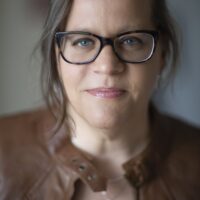
Join us in a lively conversation with debut author M Hendrix, whose book The Chaperone came out this year with Sourcebooks! From finding an agent and pitching your book during the pandemic, finding hope in dystopian novels, and making YA fun for teens to read, we cover this and more!
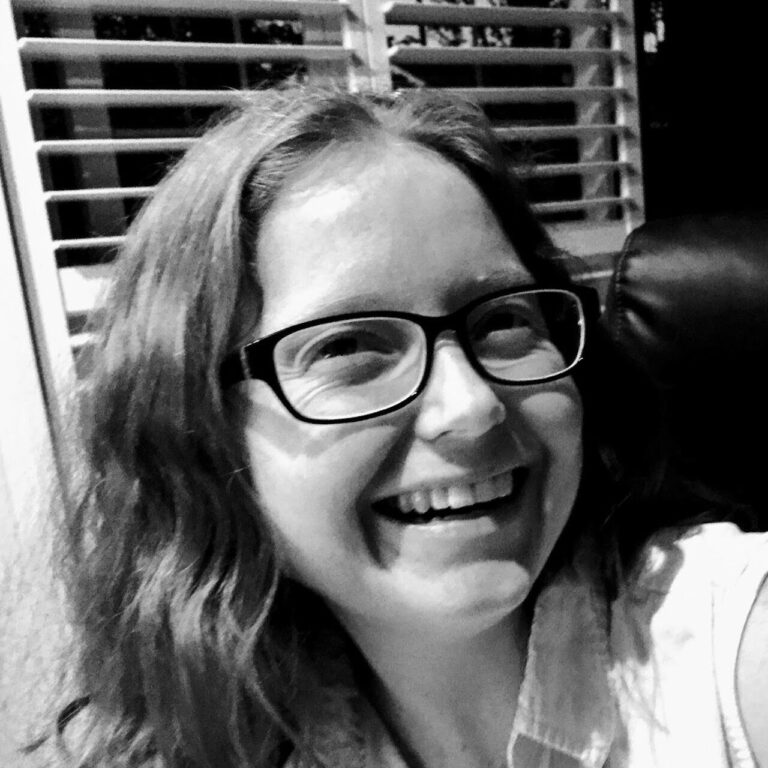
M Hendrix (she/her) is the author of The Chaperone, published by Sourcebooks Fire on June 6, 2023.
M earned her bachelor’s degree in journalism at Indiana University before studying literature and creative writing in graduate school, receiving her master’s degree from Miami University and her doctorate from the University of Cincinnati, where she was a Taft Fellow. She has been nominated five times for the Pushcart Prize and was shortlisted for the Aesthetica creative writing award. She has also served on the SCBWI Midsouth conference committee. She is represented by John Cusick of Folio Literary.
Her work has appeared in Newsweek, Aesthetica, The Independent, USA Today, The Vestal Review, Psychology Today, The Satirist, Nzuri, The Haven, Letters to Dead Authors, Medium, 2nd & Church, Word Salad, Quirk, Cairn, Gravity Hill, the Louisville Courier-Journal, the Bowling Green Daily News, and more. She is the author of two previous books: a memoir and a collection of stories. The Chaperone is her first published novel.
Born in Baltimore and raised in New Jersey, M has lived in twelve states, visited all of the lower 48, and now resides in Bowling Green, Kentucky, with her husband, New York Times bestselling suspense novelist David Bell. The Commonwealth of Kentucky has bestowed on her its highest honor, that of Kentucky Colonel.
When M isn’t reading or writing, she’s on the move—running, biking, swimming, hiking, and kayaking—and loves to compete in local triathlons. To learn more about M, go to mhendrixwrites.com.
Transcript
[00:00:00] Julie Kingsley: Welcome to the Manuscript Academy podcast, brought to you by a writer and an agent who both believe that education is key. The beauty
[00:00:12] Jessica Sinsheimer: is the people you meet along
[00:00:13] M. Hendrix: the
[00:00:13] Julie Kingsley: way, and that community makes all the difference. Here at the Manuscript
[00:00:19] Jessica Sinsheimer: Academy, you can learn the skills, make the connections, and have access to experts all from home.
[00:00:26] Julie Kingsley: I’m Julie Kingsley, and I’m
[00:00:27] Jessica Sinsheimer: Jessica Zinsheimer.
[00:00:29] Julie Kingsley: Put down your pens. Pause your word counts and enjoy.
[00:00:33] Jessica Sinsheimer: We are here with author M. Hendrix, who has written a book that surprises us on so many levels by both being truthful, and surprisingly fun, and so hopeful, and so interesting. And Julie, you read the first 175 pages in one shot.
[00:00:46] Jessica Sinsheimer: That is an excellent testament. But M., we are so happy you’re here. Thank
[00:00:50] M. Hendrix: you. Thank you for having me. What a joy. Like, this is really special. I’m doing several podcasts, but this one is more special because I probably wouldn’t be here if it weren’t for the two [00:01:00] of you. Aww!
[00:01:02] Julie Kingsley: Stop! It’s true!
[00:01:02] M. Hendrix: It’s true! Like, I tell everyone you have, and I’m not saying this just for people listening, but I tell everyone, just go do Manuscript Academy, at least do one or two so you have a sense that this is a book that’s even marketable, you know?
[00:01:15] M. Hendrix: Well, that, it
[00:01:16] Julie Kingsley: makes, it makes me so pleased that you say that because I think that’s, we want to be used as a useful tool and everyone’s journey is so personal, you know? And so like, yeah, is it, is it market? Is it voice? Is it a query? Is Submission package. Right? All of it. And so thank you for actually like seeing that and I’m so glad it worked for you.
[00:01:36] M. Hendrix: Right. And I’ll just say, you know, I also did manuscript Academy critiques from my previous two young adult novels and I queried them both 150 times at least each. Wow. And I know, and I can tell you about what happened with this. book whenever you want, but it was very helpful every time I did a critique to learn where I stand and what I need to work on.
[00:01:57] M. Hendrix: I actually advise people now to do them [00:02:00] earlier than I did, like don’t finish the book and do a critique, do 50 pages and do a first page critique or a 10 page critique, because then you’re going to know you’re really, you’re going to have a clearer sense of where you stand. So
[00:02:10] Jessica Sinsheimer: I agree. I don’t think there’s any reason to go through the entire process knowing you might have to rewrite pages 150 through the end if because what if somebody is like, actually, here’s this one change that would be so cool.
[00:02:23] Jessica Sinsheimer: And you’re like, that is so cool. And then All of that rewriting is a lot. So, yeah, I think, I love that.
[00:02:30] M. Hendrix: And the cool thing about this book is, because I did several critiques, um, right when I finished it, people who didn’t even become my agent helped me improve the book. Yeah, and I thanked them in my book because they helped me, you know, and we’re still friends.
[00:02:44] M. Hendrix: I
[00:02:44] Julie Kingsley: saw you thanked us,
[00:02:45] M. Hendrix: so thank you for that. I did, how could I not? How could I not?
[00:02:49] Julie Kingsley: Oh my gosh, so let’s talk about this amazing debut.
[00:02:53] Jessica Sinsheimer: Yeah, tell us about this book, how it came to be, and the process of getting an agent and getting an editor and putting it in
[00:02:59] M. Hendrix: our hands. [00:03:00] Okay. Well, the chaperone is about a 17 year old girl named Stella Graham.
[00:03:05] M. Hendrix: She’s growing up in a country called new America and in new America, girls and women have no rights. What’s happened is that the people who run new America have seceded from the United States of America and form their own country. Um, women aren’t allowed to drive. They’re not allowed to have credit cards or bank accounts.
[00:03:21] M. Hendrix: They’re not allowed to have real careers. And most importantly to Stella, teenage girls are not allowed to go out in public without a chaperone. You would think Stella would hate her chaperone, but the truth is she adores Sister Helen. She’s her best friend because they’ve been together ever since she, you know, first became a woman, got her period.
[00:03:37] M. Hendrix: So when in the very beginning of the book, and this is not a spoiler, Sister Helen drops dead, Stella’s whole world is turned upside down. And she quickly starts to learn that maybe things are not as she thinks they are. And maybe she’s being oppressed and has to learn to fight back. Here’s what happened.
[00:03:54] M. Hendrix: I went to graduate school when, you know, 20 some years ago, and I started writing a book about a [00:04:00] teenager, and my professor said, you can’t write that. And so this was, you know, uh, 1998. And they said, you can’t write about teenagers. It’s a genre fiction. You have to write literary. So I added an adult to that, right?
[00:04:11] M. Hendrix: I added an adult to that manuscript and turned it into a adult literary book. And then I wrote two adult literary books that came out with a very small press in North Carolina. And the whole time I felt like I have not found my voice. I’m not happy. I was teaching college English for 16 years. And when I left, I said, that’s it.
[00:04:31] M. Hendrix: I don’t want to write for adults. I’m going to write for teens. I started my life over. I joined SCBWI and Manuscript Academy and I wrote a novel called Dear Indiana. I did a critique with Manuscript Academy. I sent out 150 queries and I realized this isn’t happening. It’s not good enough or it’s not something enough.
[00:04:48] M. Hendrix: I don’t know. It wasn’t big enough for a debut, maybe. And then I wrote, um, Highway Zero. Same thing. I sent out 150 queries. I did probably four or five manuscript academy critiques, and I went to a [00:05:00] conference where I did critiques, and then I shelved the book. And then I went to a conference, an SCBWI conference in my region, and I had written the beginning of my next young adult novel.
[00:05:11] M. Hendrix: They had, you guys know what first pages are, right? It’s when you do the first page and everybody loved it and it’s anonymous. So you really know, and people loved it. Some guy was like, Oh, I want to read that. What is it out? And I said, I’ve only written the first chapter. So I’m driving home from Nashville to Bowling Green, Kentucky, where I live.
[00:05:27] M. Hendrix: And I think this book is great that I’ve started, but it’s not big enough. If you’re going to have a debut novel, it’s got to be huge. It’s got to be something that speaks to the time we’re in and gets everyone’s attention. And I’m driving home and I think I’m going to write a book. That’s kind of like a young adult version of the handmaid’s tale.
[00:05:45] M. Hendrix: I walk in the door and I tell my husband, I got it. This is it. I’m finally going to get a novel published. And he’s, I tell him about, he’s like, Oh, that’s it. That is it. It’s so good. And I go away to a writing retreat, like two weeks later, I outlined the whole book, but [00:06:00] here’s what I do. I write the last sentence of every chapter because I have learned you have to have a cliffhanger at the end of every chapter.
[00:06:06] M. Hendrix: I spend three days writing an outline with the last sentence of every chapter. And then I come home and start writing. So that’s how it happened. It’s
[00:06:14] Julie Kingsley: just so genius. I’ve never heard like of all the writing things we’ve done. I have never heard that. I knew you’d be published. I knew for the moment that I met you, you would be published because there was a tenacity and a fierceness around you in this process.
[00:06:34] Julie Kingsley: And like you were humble. You, you know, could wait. You just kept doing your work and doing your work. And, and I think that’s something sometimes, and Jessica, I don’t know if you remember that, but I just remember being like, Hmm, it’s a waiting game. It’s like, that’s, there, there’s like, there’s good writing and there’s like background of writing and there’s all of these things, but I think it is, I think you’re right.
[00:06:56] Julie Kingsley: It’s the right book at the right time [00:07:00] that hits the market in the right space. And all of the books that you did prior to that, actually. Bring you into where we are today. I want to read just some of your, your, your reviews to the listeners.
[00:07:12] M. Hendrix: How fun. Okay. Because I thought only the good
[00:07:15] Julie Kingsley: ones, right? I mean, so this was from the publisher’s weekly.
[00:07:19] Julie Kingsley: Um, yeah, the chaperone is a brilliantly conceived, provocative, and finally crafted YA novel written by M Hendricks. It might, it just might be one of the year’s best books written in this genre. And one quite likely to be banned in Florida with that hyper B hyperbole. Uh, Emma Hendricks, maybe the Judy Blume or S.
[00:07:39] Julie Kingsley: E. Hinton for the 21st century.
[00:07:42] M. Hendrix: Wow. Yeah, that was amazing. That was amazing. I mean, I should say this is a person who’s been a fan of mine from my adult books too. So like, I feel like she was just ready for my debut novel and she’s a fan. She’s been a fan of mine for a long time. Yeah. This is why actually [00:08:00] social media is good because.
[00:08:01] M. Hendrix: You know, this is someone I’d never met in person, but who became a fan of mine, even when I was publishing small things and then followed the arc of my career and was kind of rooting for me, which is why I think it’s good for people to have a community. This is someone who’s also used to be a librarian.
[00:08:16] M. Hendrix: And so meeting librarians and teachers, school librarians and teachers online, I think that’s really important. And other writers.
[00:08:23] Julie Kingsley: Yeah. And they’re all great here. Just, just to throw another one out out there, the thrilling and evenly paced dialogue driven tale by Hendricks definitely explores issues of women’s rights, class and oppression.
[00:08:35] Julie Kingsley: And we were, you know, we were just talking about rejections earlier today at another podcast. And like. Thrilling and evenly paced and dialogue driven tale like, wow, you know that that’s like exactly like genre specific. Exactly what we’re looking for. So can you read us a little bit from the book?
[00:08:54] M. Hendrix: Okay.
[00:08:54] M. Hendrix: So, um, when I. I’m out on the book tour. I’m usually reading a page and a half, which [00:09:00] is all of chapter three. I’m a believer in short chapters. I don’t know about the two of you. I think people have a limited attention span now. Um, they’re so used to social media, especially TikTok and little reels. So I have, you know, chapter three is a page and a half long.
[00:09:14] M. Hendrix: So I noticed you did that and I liked it. One person said to me, everyone has praised it. And one person was like, why are the chapters so short? And I said, because we don’t have the attention span we used to, you know, So, I guess the only thing you need to know before I read this chapter is that this is the very beginning of the book and the main character, Stella’s chaperone, Sister Helen, has just fallen to the floor and she’s gone to see, Stella has gone to see if she’s okay.
[00:09:38] M. Hendrix: I rush past mom into the room, dropping to Sister Helen’s side. Strands of white hair stick to her sweaty forehead. Sister Helen, are you okay? Tears come to my eyes, but I fight them. She doesn’t look at me. Sister Helen, it’s me, it’s Stella. It’s like she doesn’t even know I’m here. I glance over my shoulder at Mom.
[00:09:59] M. Hendrix: [00:10:00] Mom, do something! Mom shakes her head, a hand over her mouth. I can’t, Stella. Mom, please! Your dad will be here soon. I turn back to Sister Helen. Will you look at me, please? Sister Helen angles her head in my direction, her lavender scent washing over me. Only today it’s mixed with the unmistakable odor of urine.
[00:10:20] M. Hendrix: Has she wet her pants? In her green eyes there’s a sadness I’ve never seen there before. Sadness and pain. For the first time I notice the lines around her face. Lines I’ve missed because of her warm smile. But now they stand out. Reminding me that at 60, she’s no longer young. Sister Helen puts one hand on my face, cradling my cheek.
[00:10:41] M. Hendrix: Her other hand is balled into a fist. I choke off tears. I must stay strong. I must be brave. Sister Helen opens her mouth, but nothing comes out. Sister Helen, what happened? Her eyes stare into mine as she lifts a fist to my hand. When she finds my palm, she opens the fist and drops something inside. [00:11:00] It’s the white quartz pendant she’s worn since the day I met her.
[00:11:03] M. Hendrix: Why is she giving it to me? I look to Sister Helen for an answer. Her lips move, but I can’t hear anything. She wants to say something. She grips my arm, pulling me closer. I turn my ear to her mouth. Ane? She croaks out one word at a time. Gel. I glance at mom searching for the explanation she never has before turning back to Sister Helen.
[00:11:24] M. Hendrix: What did you say? She tries again, but almost no sound emerges. I read her lips. Ain? She mouths the words. Gel. She says it again, this time faster. Ain? Gel. Ain gel? I ask out loud, and then I understand. Angel. Angel. Angel? Her pupils go up and down. I nod, though I don’t know what she means. Her eyes still and something in them shifts.
[00:11:48] M. Hendrix: It isn’t sadness I see anymore, it’s terror. Sister Helen, what’s happening? Her gaze bores into mine. She’s trying to tell me something. Sister Helen, don’t leave me! I haven’t gotten the words out when her eyes lose [00:12:00] focus, moving from side to side like a metronome. A moment later they stop and roll to the back of her head.
[00:12:06] M. Hendrix: A trickle of blood leaks out the side of her mouth. Now I’m the one who screams. It’s always emotional to read that. Like, I don’t know if it is for everyone else, but it is for me. You care about your characters. Yeah. Yeah. I know they’re real to me. Yeah. I think there
[00:12:19] Julie Kingsley: were so many smart things that you did there that were bad payoffs later.
[00:12:23] Julie Kingsley: Oh yeah. I think, I think what you
[00:12:26] M. Hendrix: did was so well. I’m acting like someone else wrote it when I say, I know. You know?
[00:12:32] Julie Kingsley: But, but it’s… I always look for that in a book. When I, when you look at the beginning and then you look at it again, you’re like, smart, smart, I got you. Oh, that was clever. You know, because I can’t, my kids are like, you just can’t really help yourself, can you?
[00:12:47] Julie Kingsley: Do you have to dissect everything? And I’m like, yes, I do.
[00:12:50] M. Hendrix: me too after every movie and TV show. So talk
[00:12:53] Jessica Sinsheimer: a little bit please about how you pitched this book. ’cause I could see how, and I imagine it was around [00:13:00] 2020, you were pitching this. It was 2020, yes. Yeah. So probably a moment when people were already saying, wow, the world is a dystopia.
[00:13:08] Jessica Sinsheimer: Let’s not read dystopias right now. Did you get that kind of
[00:13:12] M. Hendrix: pushback? Do you mean from agents or editors? Both. I think, and I’ll tell you just briefly what happened because it is a very Manuscript Academy story. So I had done Manuscript Academy critiques and other critiques and queried all these people for the previous two books.
[00:13:26] M. Hendrix: And in that process, you know, you form relationships when you’re rejected. Um, so I had relationships with agents and then I would go to conferences and see them in person. They’re like, Oh yeah, I know you, you queried me. And a lot of people would say, I shouldn’t say a lot. I would say 30 or 40 out of 150, you know, each book, previous book had said next book, just send it to me right away.
[00:13:44] M. Hendrix: So, um, I had learned from previous experience that the best thing to do was to do these critiques right away. And it was March of 2020. So I had to do them online, and I knew I wanted to do some at Manuscript Academy, so I booked seven, I believe, for, [00:14:00] right, for March and April, I think early April, but it might have just been March, I can’t remember now.
[00:14:04] M. Hendrix: The very first person I did the Manuscript Academy critique with, loved the book, wanted to read the full manuscript, and I thought, great, okay, I knew it was probably going to do well, but I’m glad. Then the next person, same thing, and I think out of seven Manuscript Academy critiques, I got six requests for the full.
[00:14:21] M. Hendrix: Right. And so I had thought I’ll do the critiques. And then I’ll re examine where I am and send out queries for real. But it’s when that happened, when I had six of seven requests in a few weeks from just the critiques, I thought, Oh, I got to send this out to everyone I’ve formed a relationship with. So I sent out 40 queries immediately.
[00:14:40] M. Hendrix: Right. And then I got, I think, 28 requests. So I knew it was going to happen. And then three weeks after my first critique, I got, um, uh, offer from my agent, John Cusick, who’s amazing. And I met him through Manuscript Academy. It was so funny because Of course, I messed up [00:15:00] technology the night of my critique with him and I couldn’t get on, just like I did with you guys, I was three minutes late because I couldn’t get online and um, it wasn’t working and I was emailing him and writing and 30 minutes later he wrote and said, here it is, here’s what you need to do.
[00:15:13] M. Hendrix: I thought he’d reschedule, but he said, let’s just do it. So we did it and he was so nice. So then I kind of thought things went so well getting an agent, it’s going to go very well getting a book deal. And he said, do you want to wait? It was April at this point. He said, should we wait? No, maybe it was May or June.
[00:15:30] M. Hendrix: I can’t remember. You know, when I was querying agents, I didn’t know the pandemic was going to be years long. And then When he was ready to send it out, we thought, Oh, this is going to be at least till December. Um, but I don’t, he said, should we wait, let’s make sure we wait till next year. I’d been waiting 20 something years at that point.
[00:15:46] M. Hendrix: So I said, go ahead, send it out. And we waited and we waited and we waited and nothing happened for. a year. I mean, we got a few rejections, but really we didn’t hear from people. Um, I think during the pandemic, [00:16:00] people had to take care of their mental health and they didn’t work. Um, my husband is a writer too, and he had a book go out during that time, and he had the same experience.
[00:16:07] M. Hendrix: And he’s has, you know, 16 books published. So it was surprising that he had to wait that long. And that helped me feel better. But, um, what happened was a year later, we got an audio offer from recorded books. And I thought, okay, that’s it. It’s just going to be audio. And my agent is too tenacious for that.
[00:16:22] M. Hendrix: He said, we’re going out again. We got an audio offer. We can get a print offer. And he had me cut 10, 000 more words from the book. Yeah. Right. And send it out again. And, uh, we got an offer pretty quickly after that. It was someone who had gotten the book the year before. and hadn’t had time to read it during the pandemic.
[00:16:40] M. Hendrix: Annie Berger, my amazing editor at Sourcebooks Fire. I’m sure you all know her. She’s amazing. And she accepted the book. And I guess the rest is history at that point.
[00:16:50] Jessica Sinsheimer: Wow. When you were getting rejections, was it we don’t know what to do with this in genre? We don’t think it’s like peppy, happy escapist enough?
[00:16:58] Jessica Sinsheimer: Like, what kind of feedback [00:17:00] were you getting?
[00:17:00] M. Hendrix: No, actually, people were really relating to the story. They didn’t have that. It’s the pandemic. I don’t want to read this. One of you mentioned earlier that the book is still enjoyable and I worked very hard at that. You can write a novel about a dark subject but it doesn’t have to be a dark book.
[00:17:14] M. Hendrix: I think you have to have hope, don’t you? The two of you?
[00:17:17] Jessica Sinsheimer: Please say more about that because I was wondering how it is that you can make the reader for a lot of the book okay when your characters are not okay and the world is not okay.
[00:17:28] M. Hendrix: I mean, I’m not sure exactly how to answer that, how I do it, but I just feel that I don’t give up hope.
[00:17:34] M. Hendrix: Maybe it’s my personality seeping into the book. Like, you know, it is 28 years since I started writing until this novel came out. And I was, I’m just a person who was raised to believe you don’t give up. Oh, I will tell this little quick thing. My dad had a poster in our house growing up that said, it was like, it should have been cheesy, but it wasn’t.
[00:17:50] M. Hendrix: It said, the race is not to the swift, but to those who keep on running. And it has this runner going up a tall hill. I always imagine it’s New England. I don’t know where it is. And, um, I had to [00:18:00] walk past that poster every day to get to the garage. Even before I was driving, I walked past it and it just really affected me.
[00:18:06] M. Hendrix: I’ve always been a person who did things slower than everybody else. So I just have always been an optimist in that way, um, and I wanted Stella and all of the characters in my books that aren’t even published to have that optimism and that hope, like, no matter what happens, you keep going. And so I hope that’s why it’s hopeful because she’s optimistic.
[00:18:25] M. Hendrix: Well,
[00:18:25] Julie Kingsley: I think Stella in so many ways is a typical teen. Yeah, she’s she has a typical teen feelings and typical teen friendships in a world where everything’s run amok and, and I think, you know, I talked about your tenacity, but she’s tenacious. Oh, yeah, more than I am. So yeah, so it’s, it’s, it’s a really interesting, you know, and structurally, I feel like it was definitely like, Three acts.
[00:18:51] Julie Kingsley: And so the book had so much movement to it that like that the pacing went really, really well. So, so you had the [00:19:00] last sentence of each chapter, which I’m blown away by. I’m going to try this.
[00:19:03] M. Hendrix: I recommend it. It’s yeah. And then once I think now that I’ve done it, because I’m of course writing new books, um, I haven’t finished them yet because of the many things.
[00:19:13] M. Hendrix: But, um, once you do it for one book, you don’t need to do that because you automatically do it when you’re writing. Right. I
[00:19:20] Julie Kingsley: think when I do it, like I, I write like a chapter, I’m a little more of a pantser and then I’ll figure out what is the most provocative and pull it to the end. Like, I don’t think my process is as smart as yours.
[00:19:31] Julie Kingsley: Tell us about your revision process. So did you, so you did that, did you still have to go through and revise like the plot anywhere? Did you have to move things around? Like I’m fascinated by this, just tell, tell us how, how you, you know, went about creation and the revision. Thank
[00:19:46] M. Hendrix: you. I had to do a lot of revision, but it wasn’t plot revision.
[00:19:49] M. Hendrix: So I went to graduate school for my master’s degree and my PhD in creative writing, and no one ever mentioned the three act structure. I learned that when I left academia. And I studied it, and everything else. [00:20:00] I mean, like, pantser and plotter, synopsis, all of it. Save the cat. I learned after I left academia and stopped teaching.
[00:20:06] M. Hendrix: So I just became very dedicated to the three act structure. I knew that with a debut, my book wasn’t going to get picked up without the three act structure. So I, I wasn’t a person. Have you seen these things where people would be like at beat 37, this should happen. I didn’t do that. I just had, you know, the general outline of a.
[00:20:23] M. Hendrix: And I followed it. You know, this is where the character is at their worst. It’s like the night of, uh, what do you call it? The night where they lose the most hope. And I just followed that very closely, but the revision for me is so I tend to overwrite, and I think this is coming from academia. One reason I wrote the last sentence of each chapter is I want to be focused on that with every chapter.
[00:20:42] M. Hendrix: And I said, every chapter should not be more than a thousand words. And every chapter was more than a thousand words. Originally it was like 1100, 1200, 1300. But I didn’t want to overwrite. The revision didn’t happen with the plot, it happened with the writing. When John said, and this goes back to Jessica’s question, what were people saying, the [00:21:00] editors?
[00:21:00] M. Hendrix: What they were saying over and over again was they felt like they were floating. I had no clue what that meant. Do you two know what that means off the top? I mean, I know now. Did it mean it
[00:21:09] Jessica Sinsheimer: was almost as if you were watching from above?
[00:21:12] M. Hendrix: And several people said that. They said they felt like they were watching from above.
[00:21:15] M. Hendrix: They were moved to the character. It was a great story, a great idea, and they didn’t feel connected to the character. So I, you needed
[00:21:20] Jessica Sinsheimer: the typical
[00:21:20] M. Hendrix: teen stuff. Yeah. Well, the teen stuff, but also I had to learn how to do deep POV. And by the way, I didn’t know what deep POV was until 2021, when the book had already been with.
[00:21:31] M. Hendrix: Editors for a year. Yeah, I know. How did I not know that? Yeah, that’s I
[00:21:35] Julie Kingsley: always call that emotional distance Like you’re looking at someone like you’re looking at someone’s emotions But you’re not feeling them in your gut as much as you’re observing that they
[00:21:44] Jessica Sinsheimer: have them, right? Yeah The physicality of emotion is something that I feel like people could spend a lot more time talking about that We were talking about that in our previous recording
[00:21:52] M. Hendrix: too.
[00:21:52] M. Hendrix: It’s shocking to me now people ask me sometimes can you read a book and enjoy it without editing in your head and I I can enjoy it, but I do edit in [00:22:00] my head the whole time, like, why is that there? Why is that there? The filter words, you know, every think, feel, wonder, and then is and are. All that stuff. I took it.
[00:22:07] M. Hendrix: That’s how I cut 10, 000 words in the second major revision I did with John, my agent. We also just condense, the beginning of the book, there are all these scenes with her in school. There used to be more, and I was hearing that people felt like the book didn’t get going until she went to the, okay, spoiler alert, until she went to the HH party.
[00:22:26] M. Hendrix: Wow. Wow. That’s pretty far in. I know. And it used to be even farther. That would be the major plot revision is that I condensed all of that as much as I could. I cut anything and I cut things I loved. There’s also a scene later in the book, I cut just fully after I had an editor scenes. Yes. And I want to give it away.
[00:22:44] M. Hendrix: I need to give it away maybe this fall online. Then when I got to source books with Annie, it was at 110, 000 words. And then they were like, We’re getting it down to 85, 000 words. Um, I learned even more about being concise that way. It’s 87, 000 words [00:23:00] now. I’ll tell you what. I think I learned in that whole process how to be an even better writer.
[00:23:04] M. Hendrix: I think the book is so much better than even when it was 110, 000 words. So, I had, I got lucky. This is gonna sound crazy. My editor was on, went on maternity leave. She was, Annie, she was gonna edit the book before she left and she didn’t get to it. And the day before she’s like, we’re going to do this when I get back next year, it was October and she was coming back in January or February.
[00:23:25] M. Hendrix: Well, January, the marketing people from sourcebook, right. And say, where’s your finished manuscript? We’re ready. And I said, well, Annie’s on maternity leave. And they actually assigned me another editor, Wendy McClure, who’s amazing too. I got lucky because then I had two people edit the book first, Wendy, and then Annie.
[00:23:42] M. Hendrix: And so I really believe that’s why the book is so tight. So, I mean, I guess to listeners, you know what I would say, be open to lots of constructive criticism because I could have cried every time they were like, cut this scene, cut that scene. I wouldn’t say that there was ever a major revision of plot as much as just condensing, condensing, condensing down to the [00:24:00] essential story.
[00:24:01] Jessica Sinsheimer: To be clear, if you need to cry, take a moment, have some food, walk around the block, maybe wait until the next day, then reply. We support
[00:24:10] M. Hendrix: that. Oh, totally. And what I meant was don’t just cry, you know, because I think that your editors and your agents and even people you meet, like if you don’t have an agent yet through a critique through Manuscript Academy or elsewhere, they have your best interest at heart.
[00:24:24] M. Hendrix: I mean, that’s not to say there aren’t random times when a critiquer just doesn’t get it. Like, I did have a critiquer at an in person conference tell me that the short chapters were a problem. I know, right? And that was an agent, you know, and I, I just was able to say, you know what, this person isn’t on the same page.
[00:24:41] M. Hendrix: So there are times when you have, I would say to listeners, if you have a red flag that goes up during critique, you can trust your gut. But generally speaking, I think agents and editors know more than writers do about how to edit and make something ready for the market. Don’t
[00:24:56] Jessica Sinsheimer: you? Absolutely. Well, I mean, we get to do that nine to [00:25:00] five.
[00:25:00] Jessica Sinsheimer: Five days a week for years. I mean, which is amazing that we get to do that and spend that time focus on it and so yeah, I think just whether it’s the Malcolm Gladwell 10, 000 hours or whatever it is It’s that serious amount of focus does help
[00:25:15] M. Hendrix: and I just say how much I believe in that because I don’t think new writers Understand when Malcolm Gladwell’s book came out my husband and I read it and we both sat down and we’re like how many hours?
[00:25:24] M. Hendrix: Are we at? And I think we were in our 30s. I started writing when I was 25. He started writing when he was 20. And he was at 10, 000 hours right when the book came out. And like a month later, he got his first book deal. And I kept tracking it, like, how many hours do I think I’m writing a week when I’m teaching full time?
[00:25:41] M. Hendrix: And I mean, it was like, A few months after I got to 10, 000 hours, I got my first book deal.
[00:25:46] Jessica Sinsheimer: I’m pretty sure I saw Malcolm Gladwell in person the first time I went to one of those like, you know how you have that moment when you’re like, Oh, I read about this restaurant. Wait, maybe I can go. And I’m pretty sure I saw Malcolm Gladwell at the [00:26:00] first buzzy restaurant I ever went to in my 20s soon after that.
[00:26:03] Jessica Sinsheimer: I’m pretty sure.
[00:26:05] M. Hendrix: Oh, I would so fangirl if I saw him.
[00:26:07] Jessica Sinsheimer: I’m not 100 percent sure, but that was a very exciting spotting for me.
[00:26:10] M. Hendrix: That is. It’s funny. He doesn’t go on book tour, does he? I never see him anywhere. I never see
[00:26:14] Jessica Sinsheimer: him
[00:26:14] Julie Kingsley: either. Well, I think what you’re saying, I, you know, and I think this is what I’ve learned because sometimes I’ve got to stand in that weird space where I’m not an agent, but I get to hang out with the agents so much, you know, just doing this that I can, I can anticipate what they’re going to say.
[00:26:30] Julie Kingsley: I bet collectively they’ll say something like this. And the more you can figure out, and we talk about tools, but the more you can figure out how to navigate this business, the easier the business is. So you need like all the time, you need the tenacity, you need the right, like, you know, the right thrust of, of opportunity too.
[00:26:51] Julie Kingsley: And, and I read somewhere actually today, and basically someone said, you can’t get published unless you have connections. And I was like, That is [00:27:00] absolutely not true. That’s not true at all. Right. You can get published just, you know, from the slush. We all know that, but it’s easier the more people, you know, I’m publishing because it takes so much to get 110, 000 words ready to go.
[00:27:16] M. Hendrix: Well, I don’t think, I don’t think it helps knowing people because it helps you get in. I think it helps knowing people because of what you learn from knowing. Well, that’s
[00:27:23] Julie Kingsley: what I meant. Yeah. That’s what I meant by that. But what you learn, because it’s not like. Wink, wink, I know you, so I’m going to publish your book.
[00:27:30] Julie Kingsley: It’s much more what you can learn from how those people talk,
[00:27:33] M. Hendrix: right? I don’t even think agent referrals work either.
[00:27:37] Julie Kingsley: They want it or they don’t want it. It’s
[00:27:39] Jessica Sinsheimer: just, it’s, you know. So much of the industry is learned through conversation, right? And osmosis. You know, you work in an office long enough, and then one day someone asks you a question and you’re surprised to know the answer.
[00:27:49] Jessica Sinsheimer: I think that probably happens for writers a lot, too, who are doing things like listening to this very conversation. John Lee Dumas is a entrepreneurial podcaster. He has a podcast [00:28:00] called Entrepreneurs on Fire, and at the end he always says, You are the average of the five people you spend the most time with, so thank you for spending this time with me.
[00:28:08] Jessica Sinsheimer: So I think it’s a lovely way of saying that podcast count is spending time with somebody. And so you too, thanks to modern technology, can spend time with agents.
[00:28:19] M. Hendrix: It’s true. It’s true. Well, and that’s why I love doing the critiques online or in person. I just think it’s so important. And also you just have such strict funny experiences.
[00:28:28] M. Hendrix: One time I had a critique of my very first YA novel, and it didn’t go well. And it was at an in person conference, and she was just like, This is no good. This will never happen. I don’t buy this premise. Yeah. Really? Oh, yeah. Ouch. By the way, that was in person. I do believe that when I do Manuscript Academy critiques, they try to meet you where you are more.
[00:28:48] M. Hendrix: Sometimes in person, they can be… I’ve seen people in tears. But so then we go to lunch. And this is a conference set up where everybody gets to sit with an agent or editor at lunch at a table of ten. And she [00:29:00] sits next to me, and she acts like we’re really good friends, and she says, This is what I want you to write for me.
[00:29:04] M. Hendrix: And I think she can’t stand me, but she comes up with this idea at lunch, and it’s something I would never write. She wanted me to write, like, Nancy Drew meets Veronica Mars for middle grade. And I’d never written middle grade, so. But anyway. I think my point is, what a great experience to have to learn that this agent who had given me this terrible critique actually believed in me as a writer and wanted me to try new things.
[00:29:27] M. Hendrix: I guess this just goes back to, I think most agents and editors really do have you, you know, your best at heart. They want to help you.
[00:29:33] Jessica Sinsheimer: But that’s also a really interesting way, because when you were telling that story, I was like, ah, validation. She doesn’t like the same things as you at all. I
[00:29:41] M. Hendrix: know. I know.
[00:29:42] M. Hendrix: And the funny thing is, like, she had a wish that was exactly what my book was. Isn’t that funny?
[00:29:48] Julie Kingsley: Well, so, but, so there’s something else interesting here, too. And I think we see agents and editors on Twitter or wherever they’re at, and we don’t really know, we, like, When you meet them live [00:30:00] or when this is, you know, like even zoom is a live kind of experience.
[00:30:03] Julie Kingsley: You’re looking at each other’s eyes and things like that. But like sometimes like the connection of humans is off and it’s, it’s not your work. It’s just like, you’re not reading that person’s vibe. And then because you’re not reading that person’s vibe, you’re starting to get nervous. And then they get nervous because you get nervous.
[00:30:21] Julie Kingsley: And I think the live, I mean, I’ve seen the same things as the live conferences can literally have. Tears and just a lot of drama and it’s, it’s a funny thing and it’s just part of it, but I think it’s because the nervousness that comes into those live meetings, plus someone that may be, I mean like agents and editors aren’t, they’re not teachers.
[00:30:41] Julie Kingsley: You’re not trained teachers. You’re trained editorial, you’re trained business people, but like sometimes, and I’ve said this before, sometimes getting a teacher. It can be, or like a writing coach can actually move that along too, so just a big shout out to them as well. Yeah, we’re,
[00:30:58] Jessica Sinsheimer: we’re taught to know the [00:31:00] yes or the no, we’re not necessarily taught to explain it to ourselves, and we’re certainly not taught to explain it to other people.
[00:31:07] Jessica Sinsheimer: Every so often it’s, you know, explain to your boss, this is good, yes or no, but those notes that you give your boss are so very, very different than the notes you should ever give an author.
[00:31:20] M. Hendrix: Right. Well, that’s the thing is that you can always tell an agent or an editor who studied creative writing, because one of the first rules of a creative writing class, if you have a good instructor, and most of them are good, is you start with what’s working.
[00:31:34] M. Hendrix: And then you get into a critique or a conversation with an editor or an agent who doesn’t have experience with that. Who doesn’t know to start with what’s working, and it can be so harsh. Because a lot of people have taken creative brain classes, and you start, Oh, this is working, this interested me. And some editors just jump in, Here’s the problem, we gotta fix it.
[00:31:53] M. Hendrix: And most writers can’t handle that. I’m actually at the point now where I can handle it, but… I
[00:31:57] Jessica Sinsheimer: can handle it. One of the things that I would [00:32:00] do if I controlled all of publishing I mean, this is low on the priority list but one of the things I would do is make every new agent make up a fake project, write the first ten pages, write a pitch letter, send it out, and see that even though they have no investment whatsoever, it still hurts to get rejected.
[00:32:18] M. Hendrix: That’s brilliant. That’s brilliant. I love that. Well, and maybe they should go to a critique where they, you know, a live critique where they submit that to a class, you know, because it’s brutal. It’s hard. So I’m going to tell a secret. When I started graduate school, I had taken creative writing classes at George Washington University in D.
[00:32:36] M. Hendrix: C. while I was working in D. C. in my 20s. So I had been to critiques and I knew how hard they were. But in graduate school, I was so nervous. So I started before every time when my stuff was critiqued, I had a drink and actually I forgot to have a drink before this because usually before a podcast, I will have a drink to or before an event.
[00:32:56] M. Hendrix: I mean, and it can be a half a beer, but I just think it kind of [00:33:00] takes the edge off. Am I allowed to say that? Yeah, I think you are. Right.
[00:33:03] Jessica Sinsheimer: So,
[00:33:04] Julie Kingsley: so we have the process down what you did. We have the journey. Let’s just go back to the content. So. I mean, this is, we, we’ve actually the last, we’ve had a couple of conversations about writing hard things and pushback and like, how has the response been?
[00:33:23] Julie Kingsley: And like, how are you holding up as a writer with this difficult content that you’re putting out into the world, difficult and important content that you’re putting out
[00:33:32] M. Hendrix: into the world? You know, it’s been shocking that the response not only has been good among people who are progressive or liberal, or call themselves feminists, but it’s also been positive with people I thought would hate the book.
[00:33:46] M. Hendrix: Wow. Yes. I don’t know what’s happening. I honestly think like I should try to step back and think why is it that people this is palatable to people no matter what side of the aisle they’re on because that’s where we need to be [00:34:00] politically you know. Yeah. We need to say that I guess maybe it’s living here in Kentucky.
[00:34:05] M. Hendrix: So I live in southern Kentucky and I grew up in the north. Um, I grew up in New Jersey. And that’s one of the reasons I wrote this book. I moved to Southern Kentucky, and I love it. I live in a college town, so it’s a bubble, a progressive bubble. Everybody I know shares my values. You know, my street is mostly blue signs during election time.
[00:34:24] M. Hendrix: And then a lot of times my candidates lose, because everyone in the county who lives out farther is voting differently. But sometimes my candidates win. I started thinking, like, what happens? If part of the country secedes, I live here, well, my part of the country secede and will I be stuck here? And, and then I thought what happens to teenagers or young people if their parents choose to stay in a country that secedes and they don’t like, cause they’re not going to make that decision.
[00:34:51] M. Hendrix: It’s going to be made by their parents. Right? So wait, I lost the thread of the original question. I wanted to go back to, Oh, how people responding. So I just keep hearing from people [00:35:00] who I know. Are conservatives and they’re Republicans. I haven’t heard from a Trump supporter yet. I will say that. And they love the book.
[00:35:07] M. Hendrix: Wow. And yes. And I think it might be that, I mean, I kind of tiptoe around some things, you know, I mean, even though I am a very liberal progressive person, I try to look at it, like, what can we all agree on? You know, we think that women should be able to have jobs. We think women should be able to drive. We don’t think, I mean, I think most Americans now think that women should be in control of their bodies.
[00:35:28] M. Hendrix: It’s not, that’s not actually something that Americans disagree on by and large. It’s something that politicians disagree on. And so I, maybe I tried to focus on the things that we agree on. I don’t know. I feel like this isn’t a great answer to your question. That’s really interesting.
[00:35:41] Jessica Sinsheimer: I, Okay, so that I find very, very hopeful because when you were saying that I was like, oh, maybe they don’t hate women as much as their representatives do.
[00:35:52] M. Hendrix: That is the truth. I live it. And people always say, how can you live here? I mean, I have to live here because my husband has a job here and we have to have, you know, health insurance and [00:36:00] secure job security because we’re both writers. But I don’t think people know that most people here do not hate women, do not feel that way.
[00:36:07] M. Hendrix: They don’t want books banned, you know.
[00:36:10] Julie Kingsley: Well, that’s, that’s what was so important in your book.
[00:36:17] Julie Kingsley: I was, you know, not close to them for a lot of different reasons, you know, no spoilers. But when I was thinking about it, I was like, wow, how would I have thought of this book Thank you. Differently. I actually watched shiny, happy people on, um, Amazon prime, which was about just about that. The IBLS, I think, and it was interesting.
[00:36:38] Julie Kingsley: And I was like, wow, I think you tapped into some of the things that’s happening within that documentary. I was like, this is so weird because they’re basically coming out at the same time. The more you kind of understand this mentality, the more you can understand there’s people within this, this situation, you know, this, Dystopian world that you created that are having the same questions [00:37:00] that are happening in our country.
[00:37:01] Julie Kingsley: I mean, not as severe, but not that far away, really. And so I thought that was a really interesting how we’re having multiple points of conversations around rights. And, you know, like if someone wants to be a stay at home mom and have all these kids, it’s fine if they want that. You know, but they shouldn’t be forced to do that.
[00:37:22] Julie Kingsley: I think like, and the end I thought was perfect. By the way, you’ll have to read it out there to get to the end, but I thought it was, it was a really perfect end because I felt like I had a full character arc. I felt like, you’re right, there was hope. And I do feel like, Females, females talking to each other are the backbone of so much of our culture, uh, you know, as Americans, but you know, not internationally.
[00:37:49] Julie Kingsley: So I feel like all those things were peppered in the book, but you, you weren’t, it was never, you never hit us over the head with it. You never, it was never like, this is your lesson. You know, it was like, [00:38:00] here, think about this. What if it was like this?
[00:38:03] M. Hendrix: Well, and like books like the red tent or women talking are so great, but I also think they’re so dense and I wanted to write a book that teenagers would have fun with.
[00:38:12] M. Hendrix: Like I wanted there to be a love story. I wanted there to be music that they listened to. I wanted there to be party, you know, and like going to the mall. So I think there still could be fun. It can be fun at times. And they can see themselves as teenagers in the book, but it can still be about weighty things.
[00:38:28] M. Hendrix: You know, I loved women talking the movie. I haven’t read the book, but like, it’s, have you, do you know about a lot?
[00:38:34] Julie Kingsley: It’s a lot. I tried watching my COVID and I was like one thing too many.
[00:38:39] M. Hendrix: Yeah. I mean, it’s literally just women talking about a problem and it’s so great, but I feel like. I wanted to show women talking in just a little moment of it is enough that that’s how they I mean, actually, it happens throughout the whole book, Sister Laura talks to Stella the whole book, but it’s not the entire plot, which isn’t to say I don’t admire women talking because I do, you know, the other thing that went into [00:39:00] this, like, I always thought with the handmaid’s tale and I taught that book for 16 years.
[00:39:04] M. Hendrix: I love that book. I’ve read it so many times and it did inspire this of course, but why didn’t any of those ants get together and rise up? That’s what I want. So that was kind of like how this book came about as I thought. I want those ants to get together and fight
[00:39:18] Jessica Sinsheimer: back. So here is where in the episode you should stop listening if you’re going to read the book and you don’t want any spoilers because I can’t help but want to talk about some of the things that happen in Act 2 and Act 3 because for me it completely subverts the expectations of Act 1.
[00:39:35] Jessica Sinsheimer: I thought Act 1 was going to be the entire book. I thought we were going to spend the entire book In this dystopia where women can’t even speak in class, they can’t even raise their hands in class, they’re basically there just to procreate and are treated as if they’re just not very smart, not very capable, not allowed to buy anything, not allowed to talk back.
[00:39:56] Jessica Sinsheimer: They have a whole acronym about how everything is their fault and their [00:40:00] responsibility, yet they also have no power and I thought that was just what we were gonna have for 300 pages, so I was nervous. Oh,
[00:40:07] M. Hendrix: that sounds
[00:40:07] Jessica Sinsheimer: really depressing. I know. I was nervous. But that’s why I think it’s so important that we talk about this, because that is not the book.
[00:40:14] Jessica Sinsheimer: That’s what you think the book is going to be if you go in with no book jacket copy and no pitch and no advanced warning. But what we actually have is the story of a young woman starting there, ending up somewhere completely different. And then ending up, well, maybe we shouldn’t go into the very, very end, but she gets out, she gets out and you talk about, there was a note I had in the story, when she escapes, she’s living a normal teen life, not easily, by the way, she has to to escape in the dead of night.
[00:40:44] Jessica Sinsheimer: She realizes that when they say that girls are getting kidnapped, they’re not getting kidnapped. They’re escaping. They’re escaping through this complicated network of people who pick them up and they have to run through trees and swim through rivers and finally cross the border [00:41:00] to old America, or America, where teenagers still get to do things like go to the mall and talk to each other and women still have some autonomy.
[00:41:07] Jessica Sinsheimer: And of course, her main character is shocked. But it was almost as If you gave us emotionally everything you didn’t give us in Act 1, which I thought was so interesting, to the point where I thought it was going to turn into, perhaps, a normal teen rom com after that.
[00:41:25] M. Hendrix: Really? You thought, I thought, perhaps, so many good things were happening.
[00:41:31] Jessica Sinsheimer: Well, for her, not for everyone. Right. Um, I thought. As soon as she got out, that everything was possible, to the point where I thought she might fall in love, have a happy, typical ending, and that was going
[00:41:43] M. Hendrix: to be that. Well, everything is possible. She just decides maybe there are more important things in
[00:41:49] Jessica Sinsheimer: life.
[00:41:49] Jessica Sinsheimer: Which is such a bold choice, and I kind of am angry with myself for thinking this. I’m like, I would be more selfish
[00:41:55] M. Hendrix: than that. Oh. I would be too. So this is something I always say. I admire [00:42:00] Stella more than anyone. Like, she is an inspiration to me. She’s a hero. I would not be Stella. But you know, don’t you want to write someone who has a lot of things in common with you, but is even like a better version of you?
[00:42:12] M. Hendrix: So, yeah. And I wanted that part of the book where it feels like everything is normal. I mean, even she gets a taste of it when she goes to the HH party and, you know, things are going on with Mateo too. She’s getting a taste of it. And I think that’s the point. Once she tastes it, she’s like, I gotta know everything.
[00:42:31] M. Hendrix: I mean, I think I really use the allegory of the cave in the book a lot, but it is that idea that she’s living in a cave. She doesn’t know what’s outside, she doesn’t know what light is, and she gets out of the cave and she’s like, wait a minute, you know? So I thought it was very important for her to leave her ignorance behind, as her dad says, and I think it’s such a cruel thing for her dad to say is, you’re not stupid, Stella, you’re ignorant.
[00:42:53] M. Hendrix: Yeah, and whose fault is that? Exactly. That’s exactly where they want girls to be. They want them to be ignorant. They don’t want them [00:43:00] to know. And I would actually say that’s the main problem we have right now. Is that people in our country, they want them to remain ignorant. They tell them lies to keep them ignorant.
[00:43:10] M. Hendrix: It’s shocking the things that people believe, you know. I, I just think people believe that the lies they’re told are true and that’s… Ignorance and education is the only way out of it. But I also believe that the only way to really educate people is to, you know, entertain them and give them education that way.
[00:43:29] M. Hendrix: The one thing I’ve always believed is I don’t want to write anything that isn’t about something big. I want people to think, oh, I’m just being entertained, but they’re also learning something and they don’t realize they are, you know? Maybe Gilmore Girls is a great comparison, because that is such an entertaining TV show, isn’t it?
[00:43:45] M. Hendrix: Everyone loves that show. But you’re really learning about what it’s like to be a single mom, and to try to raise a child alone, and try to raise her to believe that women can do what a man can do, and they should be strong and, uh, independent and respected. That, that’s [00:44:00] a great example, and I’m sure you can both think of more.
[00:44:02] Jessica Sinsheimer: Well, it’s interesting to me how so many things in your book are both so extreme and so similar to what’s happening, and… It makes me think of just talking about education, making sure that the population is ignorant. I don’t know if you heard, but there’s a school district where they took out all the books, took out all the libraries.
[00:44:21] M. Hendrix: I just told Julie about this before you got on, Jessica. Yep. I’m sorry, go ahead. And
[00:44:25] Jessica Sinsheimer: replace them with Discipline centers. And you hear about things like that, and it’s refreshing to hear that people on the ground don’t want that. But what in the world, the game these representatives are playing with all of our lives, in a race to the bottom?
[00:44:41] Jessica Sinsheimer: That
[00:44:41] M. Hendrix: way. Yes. And I guess I just keep waiting for everyone to wake up and I’m trying to get them to wake up through the book. I believe that people are waking up. I think that most people don’t really believe we shouldn’t have education. That library incident you were just talking about, that I told Julie about before we started, [00:45:00] they fired 28 school librarians.
[00:45:02] M. Hendrix: The whole district doesn’t have school librarians anymore. They kept the libraries, but do you know that only two people on the board who voted for that wanted it? And they had a unanimous vote. They talked to everyone else and do it. And I think that’s what’s happening is we have these really loud voices.
[00:45:15] M. Hendrix: I mean, I remember when I was in school, there was one kid who every time would come in and start debating stuff really loudly, who was in my debate class. He didn’t do his research. He actually didn’t know the subject, but he would make up quotes. He was like the early version of his misinformation and he would win the debate because he was so funny and persuasive.
[00:45:34] M. Hendrix: But he wasn’t using real information, and I just wish I knew how to get back to the point where we could stop that. In terms
[00:45:42] Jessica Sinsheimer: of, you talk about a government that says we need more babies, our population is too small. And then you hear about things here where it’s like hundreds of thousands of packs of pills they’re finding just don’t work.
[00:45:56] Jessica Sinsheimer: Right when politicians are saying we need more babies. Is that really a [00:46:00] coincidence?
[00:46:01] M. Hendrix: I mean, I definitely looked at what was going on and was afraid because, because when you, I think it’s important that we have progressive people living in Southern states and fighting back. And I mean, if you look at any Southern state during the presidential election, it’s never like 80%, it’s always 55, 58 at the most, you know?
[00:46:19] M. Hendrix: So there are plenty of people. fighting the good fight, you know, but it does seem like maybe it’s not representative of what we really think that people are kind of brainwashed into thinking they support someone. I mean, like in my state, Mitch McConnell, who wants to cut Medicare, nobody in the state wants to cut Medicare.
[00:46:36] M. Hendrix: So that’s all we should be talking about is that, you know, Rand Paul and Mitch McConnell want to cut Medicare because that doesn’t help our state at all, but people don’t know it. They think that it’s just about drag shows, you know, that seems to be the new abortion, right? What you did so
[00:46:51] Julie Kingsley: beautifully is saying people need to hold on to the values, even if it’s hard [00:47:00] and, you know, if they know it’s wrong.
[00:47:02] Julie Kingsley: That’s what, like, that, that seems like such a core element of this book is like, Sister Helen, you know, and is it Laura, sister Laura, you know, it’s, they were amazing, amazing characters of just like, well, have you read this book and let’s just talk about your book list. Right. So, yeah. So like you included like Essie Hinton in your book list and I must say when we talked about like emotional, you know, distance, I did cry when Johnny died.
[00:47:31] Julie Kingsley: When I was like in eighth grade, like when I was in Orlando, my parents like, what’s your problem? Because I had never, I had never actually emotionally cared. I, that was my first book I had read where someone died and I cared because I’d been reading like, you know, like middle grade to YA. It’s like that weird jump that you have.
[00:47:48] Julie Kingsley: And
[00:47:48] M. Hendrix: so how old were you when you read it? I think I was probably like eighth grade. Yeah, me too. But so
[00:47:55] Julie Kingsley: you have this amazing book list of how did you curate that book list? I love how you used [00:48:00] it as like a point of light and
[00:48:01] M. Hendrix: tell us more about that. Well, every book I’ve ever written, I’ve included books because I’m a reader, right?
[00:48:07] M. Hendrix: And so I always have my characters read a lot and talk about the books they read. So that’s just something that’s who I am as a writer. I want to include that. And I knew that one of the only things Stella was allowed to do was to read. And that her chaperone got to choose her books. So I thought that’s the only way she’s going to get anything.
[00:48:23] M. Hendrix: I added that little thing where she sneaks on the internet at night and watches old TV and movies, but that’s hard for her to do. So I knew everything she would learn had to be through the books sister Helen gave her. And then I wanted, I wanted sister Helen to be giving her books that pushed her, but not too far.
[00:48:38] M. Hendrix: And then I wanted sister Laura to just say. Now I’m going to give you everything that’s banned. I’m going to really push you. But what’s interesting about, I include the list of the books that she reads at the end that are in her library at the end of the book, but a lot of those are books that are approved by her father and the Minutemen and the government because.
[00:48:56] M. Hendrix: Sister Laura hides the banned books inside them. [00:49:00] So it’s a strange list because it’s like very traditional books like Lord of the Flies or The Scarlet Letter. You know, books that, those are the books that didn’t speak to me when I was a kid. I read all the time. I was a kid who had a little mass market paperback in my back pocket all the time in the 70s and 80s.
[00:49:15] M. Hendrix: But there was only one book written by a woman taught in my high school. It was The Diary of a Young Girl by Anne Frank. So that book also goes in everything I write. But I thought I hated writing. I hated English class because I hated the books that were being taught. You know, it was all Shakespeare, Nathaniel Hawthorne.
[00:49:31] M. Hendrix: And I thought, I don’t like this. So when I became a teacher, I refused to teach things like that. And I taught things that I like to read. So I wouldn’t inspire people to like to read. So I wanted to put those books in there that people would read it and be like. Oh, this is a classic book, but it’s also a good book.
[00:49:46] M. Hendrix: Like in the time of the butterflies, that is an amazing book that almost nobody has read, or I shouldn’t say nobody has read plenty of people have read it, but like the average teenager hasn’t read it. And it’s about four inspiring women based on a true story of them standing up to the [00:50:00] dictator in their country.
[00:50:01] M. Hendrix: It’s one of my favorite books. Oh, you love it? Oh, good. Yay. And so books like that, or like The House on Mango Street, everybody has read that book. And they should. It should be a book that we talk about, but then it seems that all we really talk about is Lord of the Flies and Shakespeare and The Scarlet Letter, you know?
[00:50:16] M. Hendrix: I don’t know about the two of you, but I was taught that short story by Nathaniel Hawthorne, Young, Goodman Brown, every year I was in high school. And I thought, why am I getting taught the same short story every year? But never a short story by a woman, you know, so I wanted to have a library where it included those books you’re made to read, but also the books that sister Laura is sneaking in and saying, I think she says in the book, somebody quoted this on social media and I forgot that it was in the books.
[00:50:41] M. Hendrix: Um, sister Laura says books should not be banned. Ignorance should not be a goal. And I think that’s, just so important. The number one thing you can do for a young person is give them a book and teach them to love to read or show them to love to read, not teach them.
[00:50:54] Jessica Sinsheimer: Well, let them find something they like too.
[00:50:56] M. Hendrix: Yes. Yes. I believe there is a book for every kid, but it’s not [00:51:00] always the same book. And it’s not, you know, like one of my nieces in high school was recently reading, um, oh gosh, I can’t remember the one that they, Ethan Hawke made a movie like in the nineties. Anyway, she hated it, and of course she did.
[00:51:12] M. Hendrix: It’s, some of these books aren’t great. Great expectations, is that it? And she’s not interested in that, so she hates reading, and she just gets the CliffsNotes, you know? Oh, SparkNotes now, right? Whereas I loved that book. Oh, you did? Okay. See, I’ll have to try it again. Mostly for setting. Oh.
[00:51:27] Julie Kingsley: Yeah, I liked Great Expectations too.
[00:51:29] Julie Kingsley: Miss Havisham’s the best.
[00:51:30] Jessica Sinsheimer: Okay, okay. That cake. I wanted to open Havisham’s bakery. I
[00:51:33] Julie Kingsley: know, I know, I
[00:51:34] M. Hendrix: love it so much. Uh, another example is like The Awakening, such an important book, but it’s too hard for a young person to get into that book, you know? Liked it
[00:51:44] Julie Kingsley: too. Subjective. I did too!
[00:51:49] M. Hendrix: I couldn’t finish it. I read it after, strangely. Okay, Return
[00:51:53] Julie Kingsley: of the Native by Hardy. That one was a little rough in high
[00:51:56] M. Hendrix: school. Oh yeah. What about like, [00:52:00] um, We read Watership Down. Did you read that? Or a separate piece? I read Watership
[00:52:04] Julie Kingsley: Down in fifth grade. I was like, what?
[00:52:07] M. Hendrix: And a separate piece. I just felt like they were all, or actually, um, what’s his name?
[00:52:11] M. Hendrix: Mark Twain. And I just thought this doesn’t speak to me at all. You know? So I thought I hate English class. I didn’t study English in college. I studied journalism. Makes you I
[00:52:26] M. Hendrix: learned about writing than to write for someone who reads At a 6th or 8th grade level. Because, I’m not saying you can’t throw a word in there, but you do want everybody to be able to read your book, don’t you? And that, I was taught that in journalism school. Have you guys ever heard that, right, for a 6th grade?
[00:52:40] M. Hendrix: Well, I mean,
[00:52:41] Julie Kingsley: as a teacher that wanted to, like, push vocabulary, I would be like, Oh, give them some words. Yeah,
[00:52:49] Jessica Sinsheimer: but also people are always like, well, every news publication is written at a 6th grade level. Disagree. I
[00:52:55] M. Hendrix: agree. You’re right. It is. Some of it is, it’s hard to read. Yeah. And [00:53:00] maybe that’s why, maybe we’ve moved away from that while we’re on a tangent.
[00:53:03] M. Hendrix: And that’s why people are ignorant because maybe progressive news channels are talking over people’s heads. Oh my gosh, I’m having an epiphany here. I think that might be part of it. I
[00:53:15] Jessica Sinsheimer: said, whoever has the snappiest saying usually wins. And it’s hard to talk about something with a lot of nuance in a cute snappy saying.
[00:53:26] M. Hendrix: Yeah, and that’s something we really need to learn to do. If you turn on someone brilliant like Rachel Maddow, sometimes it’s hard to digest. Or if she explains everything very fully and very clearly, and maybe it can get dry for the average viewer. I mean, I could sit there all night, but… Well,
[00:53:40] Jessica Sinsheimer: her monologue at the beginning usually has almost a spiral format, so you have to stick around for the full spiral for it to make sense and to get the payoff.
[00:53:50] Jessica Sinsheimer: But if you don’t, you’re just like, well… What?
[00:53:52] M. Hendrix: Change? You’re right. That’s exactly what it is. It’s so smart and so well researched and so well thought out, but you don’t know what the punchline is [00:54:00] until you get to the end of it. Yeah. And not everyone
[00:54:02] Jessica Sinsheimer: stays.
[00:54:02] M. Hendrix: Yes. And unfortunately, we have to be like Nora Ephron, and we can’t change everything, so we’re not going to be newscasters.
[00:54:09] M. Hendrix: Do you remember she said that in, um, her book of essays, I Feel Bad About My Neck? There’s an essay about how she would go in places and she’d be like, this needs to be fixed. I could fix this. And then she’d think, Nora, you can’t do everything. I think about that
[00:54:21] Jessica Sinsheimer: all the time. For the writers who can’t do everything, what advice do you have?
[00:54:26] Jessica Sinsheimer: I
[00:54:26] M. Hendrix: think my number, you know, I don’t know if I’d say number one, but my big piece of advice is that you do have to keep writing and keep… I mean, everyone always says, keep reading, but for me, the most important thing I learned was that you have to be able to take constructive criticism the right way. You have to know that people who give you criticism are trying to help you make your writing and your book better.
[00:54:46] M. Hendrix: And the hardest part is you have to be able to walk away from a book and start a new book. I have so many friends who are pre published, who have still only written one book, and they just don’t want to let go. I’ve learned what I [00:55:00] need to learn, you know, maybe I’ll come back to that book later, but you have to keep writing new things.
[00:55:04] M. Hendrix: And I think that’s the hardest lesson to learn as a writer. Do you all agree? I
[00:55:09] Jessica Sinsheimer: do. I think it’s interesting that so much of what makes a person a good writer isn’t memorizing procedures, it isn’t learning rules, it isn’t even, I mean, This included, certainly, the talent of a room, sitting there, staring down the blank page every day, investing the time, getting to your 10, 000 hours.
[00:55:28] Jessica Sinsheimer: All of that is important, but so much of it is the emotional wherewithal to take what happens to you and keep moving forward in a way that’s productive for you, that’s productive for your book, that doesn’t keep you in a state of being able to unable to move forward, that doesn’t have you lashing out at agents or your editor or, um, not incorporating the feedback in the wrong way or take closing yourself down emotionally.
[00:55:55] Jessica Sinsheimer: So much of this is emotional skill and emotional muscle [00:56:00] that is so hard. to develop. Patients, even, waiting to hear back from people, interpreting what they say in an emotionally intelligent way. So much of this is the kind of skill that you kind of just have to feel out and build that muscle through experience.
[00:56:15] M. Hendrix: I’m really glad you said that because the one thing that I was surprised by, because my previous two books were the small tiny press where I got like 20 changes in the books. I mean, they barely edited them and it has been shocking to see how much they want to be involved and they’re invested and people will say things like, well, this isn’t exactly my vision for this.
[00:56:36] M. Hendrix: And it’s very easy as a writer to say, wait a minute, I thought it was about my vision. But as a writer who has a book published traditionally, you have to be able to compromise and listen and say, okay, you know, even if you don’t agree with the suggestion to say, let’s come at this a different way, but the entire publishing process.
[00:56:55] M. Hendrix: From agenting, editing, but also publicity and marketing [00:57:00] is about working with other people and compromise. And if you want them on your side, you cannot be just a stubborn jerk about it. You have to be open to saying, okay, let’s, let’s rethink this. I want to, I hear what you’re saying. And I want to do things.
[00:57:13] M. Hendrix: Uh, let’s meet in the middle. It’s a, publishing
[00:57:15] Jessica Sinsheimer: is a team sport. Publishing is a team sport.
[00:57:17] M. Hendrix: It really is. It really is. And it’s, it’s shocking how much so, I mean, one thing I just learned this summer is that publishers don’t nominate every book for every award. And so you have to compro. I mean, you think, oh, you didn’t get nominated for like, let’s say an Edgar, uh, your book wasn’t good enough.
[00:57:34] M. Hendrix: No. Maybe the publishing team didn’t have time to nominate your book for an Edgar. So, I think it’s really important to be able to work with people and to have a thick skin and to know you’re not doing this alone. I mean, you have a person who envisions the cover of your book and wow, did I get lucky or what?
[00:57:51] M. Hendrix: You have to have them believing in you and caring about your book and caring about you to spend the time to come up with a brilliant cover. So it really is a team sport. [00:58:00] Yep.
[00:58:00] Jessica Sinsheimer: And throwing the ball in the wrong direction to be like, screw you guys. You’re wrong. Not going to get you a good cover, not going to get you faster replies, not going to get you an editor who’s going to nominate for you for things just because they can people make a million micro decisions every day, make them want to make the ones
[00:58:14] M. Hendrix: that help you.
[00:58:14] M. Hendrix: Exactly. Even now, I feel that I could have done a better job at that. And I wasn’t difficult with anyone, but there were times when something was suggested that I realized now I should have just said, okay, let’s do it. And, and I, I try very hard to do that. I have someone who helps me with TikTok and, um, she’s going away to college, so she won’t be here anymore, but I, I didn’t know how to use TikTok.
[00:58:34] M. Hendrix: And she said the other day, something like, well, I want to have creative control. And I said, but you also have to learn to work with other people, you know? So I think that’s really important. And
[00:58:43] Jessica Sinsheimer: it’s only through working with other people that we undo the things in our society.
[00:58:48] Julie Kingsley: Right, it’s such an interesting conversation.
[00:58:50] Julie Kingsley: It’s like, my brain is buzzing. I think we could fix everything right here.
[00:58:56] Jessica Sinsheimer: On the Zoom. Yes.
[00:58:58] M. Hendrix: All right, let’s do it. [00:59:00] Nora wanted to fix a restaurant. I’m not doing that. You guys are on your own. I am going to try to get a bookstore in my town. That would be awesome.
[00:59:07] M. Hendrix: I know.
[00:59:08] Julie Kingsley: All right. Well, let us know if you do that. Maybe we could road trip on the Manuscript Academy bus I want to buy. That’d be fun!
[00:59:15] Jessica Sinsheimer: Yes, Julie wants to get us a bus.
[00:59:18] M. Hendrix: I love that. I love it. John Green had a bus for our tour. Oh
[00:59:21] Jessica Sinsheimer: my gosh. So fun. Um, may I just say how happy I am that Old America has real butter.
[00:59:27] Jessica Sinsheimer: Has real what?
[00:59:27] M. Hendrix: Has real butter. Oh yes. I mean that’s the best when you go to the movie theater and you can get real butter. That’s how you know you’re at a good movie theater, right? Oh my gosh. So
[00:59:36] Julie Kingsley: fun.
[00:59:36] Jessica Sinsheimer: Thank you so much.
[00:59:37] M. Hendrix: Thank you both! You are, like, I thanked you in the book because you deserve credit for me being here.
[00:59:43] M. Hendrix: Oh my
[00:59:44] Julie Kingsley: gosh. It’s like, I have all the feels. I have all the feels.
[00:59:47] M. Hendrix: Good. Good. I mean, you both provide an amazing service to writers, and you guys have so much good content. I watched so much content and didn’t, I don’t even think I got through half of it. Yeah.
[00:59:56] Julie Kingsley: It’s funny. I think people forget it’s there.
[00:59:59] Julie Kingsley: We’re like, go look. [01:00:00] We’re like, eat
[01:00:00] Jessica Sinsheimer: your broccoli. Dessert
[01:00:04] M. Hendrix: after. I My gym, my gym is back there. And I would, I mean, during the pandemic, especially, I was like listening to the manuscript economy podcast and all the content and working out. Oh, that’s
[01:00:13] Julie Kingsley: awesome. We are so glad that you joined us. And as always, we appreciate your feedback.
[01:00:19] Julie Kingsley: Just head on over to the iTunes store and let us know what you think. And not only helps us make this podcast be the best it can be, but it also affects our ratings within the iTunes platform.
[01:00:30] Jessica Sinsheimer: We’d love to hear from you. If you’re feeling brave and want to submit your page for our First Pages podcast, you can send it to academy@manuscriptwishlist.com with First Pages podcast in the subject line.
[01:00:43] Jessica Sinsheimer: We’d also just love to hear from you,
[01:00:45] Julie Kingsley: and if you’d like to learn more about the Manuscript Academy and everything we have to offer, just jump on over to manuscript academy.com.
Featured On the Show:
- Join our Facebook group! It’s full of supportive writers in the querying trenches–plus live page critiques, Q&A’s, and more.
- Want more Manuscript Academy? We’re working on new, interactive formats for our podcasts and events. Subscribe for updates.
- Feeling brave? Submit your query or first page for a chance of feedback from our guests.
The Manuscript Academy Podcast is free for everyone, and features interviews with top agents, editors and authors on the craft, business, and community of publishing.
You can find us in the iTunes Store, on Soundcloud, and on Spotify.
The Manuscript Academy Podcast is published weekly. Subscribe to see all of our episodes first.