The Manuscript Academy Podcast
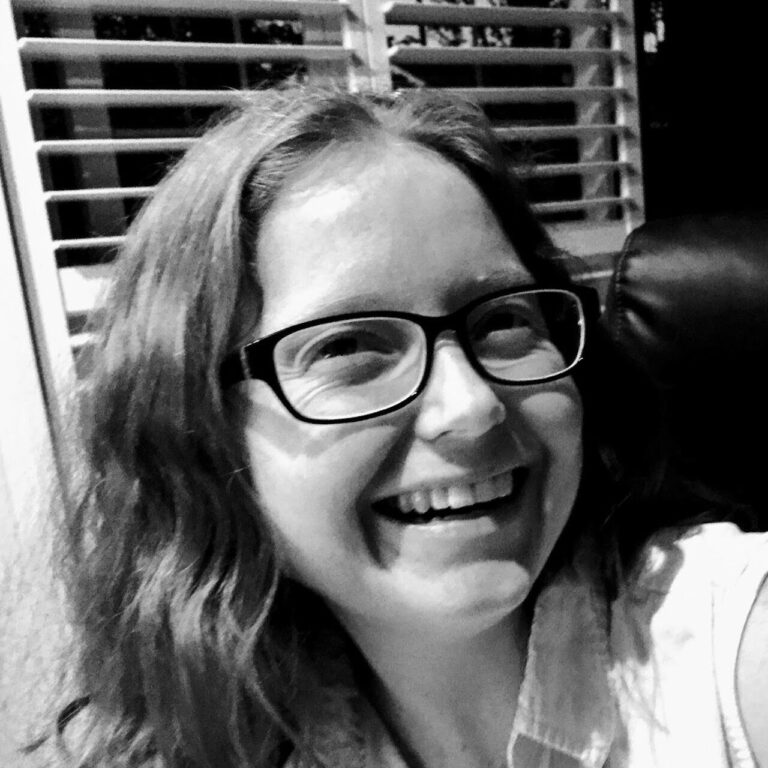
With Author Sierra Godfrey

We are thrilled to welcome Sierra Godfrey, author of The Second Chance Hotel and A Very Typical Family, to the Member Lounge.
Sierra, along with Mike Chen, built the first ManuscriptWishList.com, and her work as an author is charming, funny, romantic—and set on the gorgeous fictional Greek island of Asteri. There, her main character accidentally marries a handsome traveler—and, together, they accidentally inherit a hotel. What follows is a fun, escapist, sophisticated story of finding yourself even when it means giving up everything you’ve known.
So we invited her for a Q&A with our members. Learn more about our Member Lounge here: manuscriptacademy.com/member-lounge
We talk about:
*Finding a second agent
*Why the agent offer call is likely to only show you a small percentage of an agent’s thoughts on your book
*Whether they “pre pitch” before you’re even working together
*Is everything in Publishing really harder than it ever was?
*How a story on the radio while sitting in traffic inspired the story
*How to write likable, but significantly flawed, characters
*How do you spot a red flag in an agent?
Sierra says: Hello! I am the author of A Very Typical Family (Sourcebooks 2022) and The Second Chance Hotel (September 12, 2023) also from Sourcebooks. I am extremely flattered that you have come to see who I am!
I was born in Santa Cruz, California (which is where A Very Typical Family is set!) and have lived in many places, including Santorini, Greece, when I was a kid. By day I’m a technical writer and have also been a graphic designer ad a credentialed sports writer covering Spanish football for several online sports sites. I live in the San Francisco Bay Area with my husband and two sons, as well as a lot of animals that include a dog, two cats, and a turtle, which seems like a lot, and is.
Transcript
Welcome, everybody. Okay, let’s see. Let’s get everything started. We have a super special guest today. I’m so excited that you’re here, Ciara. It just makes me so happy that everything is going so well for you.
[00:00:12] Jessica: It’s such a lovely, you know, good things happening for good people kind of thing. Anyway, hi! You know me. I’m Jessica Sinsheimer, agent, co founder of the Manuscript Academy, MSWL, Manuscript Wishlist. We’ll talk a bit about more of that. Um, but yeah, hi, thanks for being
[00:00:26] Sierra: here. Hey you guys, it’s Julie Kingsley, you know me as well.
[00:00:30] Sierra: Um, once again, I’m a long time writing teacher and co founder of the Manuscript Academy.
[00:00:34] Jessica: Um, so we are so happy to welcome back Sierra Godfrey, someone who’s been an important part of MSWL for, I’m afraid to do the math, a decade, Sierra? Oh
[00:00:44] Sierra: my gosh. I think it’s been about a
[00:00:47] Jessica: decade. Um, but she’s the reason we have ManuscriptWishlist.
[00:00:51] Jessica: But yeah, Sierra, we’re just so happy to see good things happening for you. And yeah, just tell us about yourself.
[00:00:57] Sierra: Um, yeah, well, as you mentioned, [00:01:00] um, I’ve known you for a long time now.
[00:01:03] Sierra: Um, I helped design the original site for Manuscript Wishlist and that was, that was fun. That was, that was, that was quite the time. Um, and, uh, you know, I’ve. I’ve gone on to, write and publish two books, and my second book, The Second Chance Hotel, just came out yesterday, or Tuesday. This week has gone by so fast, and my debut novel was A Very Typical Family, which came out last year, so it’s been a year of a couple books, and yeah, it’s It’s been great.
[00:01:35] Jessica: I can’t wait to hear all about that. I remember before all this happened. Like, it makes me so happy to be like, I told you so. You did.
[00:01:43] Sierra: You read early things of mine, too. Yeah, yeah. It’s been a long process getting here, which I’m happy to talk about. I’m just, I’m thrilled, thrilled to be sitting here.
[00:01:55] Sierra: On this podcast today with all of you. It’s just, it’s a
[00:01:58] Jessica: trip. We’re [00:02:00] happy that you’re here, too. And everyone out there, this is a great opportunity to ask a really nice, thoughtful writer about what worked, what she learned along the way. and now, gosh, I mean, all these incredible, like, authors come up, by the way, next to you when you Google you, Sierra.
[00:02:15] Jessica: Um, I think, like, Emily Henry came up as, like, people also search for. Hey. Which made me really happy.
[00:02:23] Jessica: Um, so, Sierra, let’s talk a little bit about how we met and how your writing life was when we met you. Yes.
[00:02:30] Sierra: So, um, I think you put out a call on what is formerly known as Twitter for some help with Manuscript Wishlist. Um, I don’t think it was a site or it was like a bare bones site and you were ready to take it to the next level.
[00:02:43] Sierra: And at the time I was freelancing as technical writer and a graphic designer. And I was working with my very good friend Mike Chen, um, also a friend of the show who, uh, has gone on to publish. Many books, and we had a [00:03:00] business together doing websites specifically for authors, so we responded right away and were like, this is the kind of community project that we really wanted to get involved with.
[00:03:09] Sierra: So, um, that began our association, uh, and it was, it was lovely. We got to be really good friends and meet in person and, yeah, it’s been such a nice. A bunch of years, 10, really 10 years?
[00:03:24] Jessica: I’m not 100 percent sure about 10, but we could look back and see. Yeah, it’s
[00:03:28] Sierra: close. No, I think you’re right. And then, you know, I remember when the pandemic started and you were like, texting me from the plane that you took out, like, one of the last planes out.
[00:03:37] Sierra: From New York, and I’m like, oh, my God, and it was just yeah, it’s it’s been a really interesting time. Um, but so, uh, yeah, so I, was not published at that time when we did the site and, um, took took me many years. To get me to the point where, um, I had a commercial commercial saleable [00:04:00] novel. I had an agent and, um, she ended up a wonderful agent.
[00:04:03] Sierra: She ended up leaving the business altogether. And when she, and we had gone out on set with, with a project that didn’t ultimately sell. So when she left, I had a manuscript that was. And she’s given me like first round edits, but then she left and I’m like, what do I do? At least I had a completed manuscript, which thank God, because that otherwise would have been harder.
[00:04:27] Sierra: So I queried, um, some agents. And a few that she recommended and one of them was Melissa Edwards and she ended up responding right away and taking me on and, and then we did rounds of edits and went out on sub and sold, sold a two book deal. So, and the second of that two book deal is the one that just came out.
[00:04:50] Sierra: Oh my gosh. Can we poke at that a little bit? So like, that was like the dark night of the soul for you as a writer, right? You lost your agent and then[00:05:00] like a phoenix out of the ashes. So they said like, swoosh, like it all. Like, so when you reflect on the, on the journey, Because I noticed like people feel like this all the time.
[00:05:11] Sierra: what, what, what’s your best advice when it’s that hard before the happiness hits? Yeah. Having an agent and then losing an agent is a specific type of pain because you think, Oh, I’ve made it. I have, I’ve signed on with an agent. Okay. Everything else from here on out is going to be, at least I have at least one.
[00:05:34] Sierra: Industry professional who believes in me and then that’s gone. And you have to start all the way from the bottom again. I mean, not really all the way from the bottom, but pretty much all the way from the bottom. That’s how it felt. And it, it sucked a lot, but I think, that I had a few things. I had a completed manuscript.
[00:05:52] Sierra: I had, um, the good wishes, uh, of my former agent who was like, here’s, here’s a couple I recommend. And, you [00:06:00] know, Publishing is small and agents know each other very well. I mean, Jessica, you know, Melissa very well. And, um, I think saying, Hey, you know, my agent and here’s her name just left. They all knew that everybody knew that.
[00:06:14] Sierra: So that was. helpful that in my query, but yeah, I had to start over again. It was, it was hard.
[00:06:21] Jessica: I think that was very much to your benefit. Your agent was known and respected and, um, someone asked in the chat, how often does that
[00:06:29] Jessica: happen? It’s probably more often than you
[00:06:31] Sierra: think.
[00:06:32] Sierra: Yeah, it is. It is more often than you think. And most, published authors I know are not on their first agent. They’re on their second or third, which frankly surprises me a lot because I have to wonder, well, why, you know, was there a compatibility issue? Did One or did the writer or did the agent go?
[00:06:51] Sierra: Well, I can’t sell it or you’re not selling it. So I’m out of here I mean it could be anything it could it is anything but I thought that that’s a [00:07:00] really High statistic really?
[00:07:02] Jessica: Yeah, I mean it’s it’s Unfortunately common people in publishing move around a lot editors move around a lot agents move around a lot If that does happen, though, to any of you, I know that’s something you’re all probably thinking about and worrying about.
[00:07:16] Jessica: I would say it’s usually easier to get your second agent because it’s such a vote of confidence from someone in the industry. Well, you
[00:07:23] Sierra: know, you know so much more. You know so much more about how the business works. And I think it takes a little bit of the emotion out, in theory. So how did you know that Melissa was the one for you?
[00:07:33] Sierra: well, she got back to me pretty quickly and said, um, you know, here’s, here are my thoughts for this manuscript, you know, how, how are you, how much are you willing to change and edit and I’m like, everything I’d like to get it published, and she’s like, great, and she took me on, which was wonderful, so we did have to work quite a bit on it, um, through edits and that was fine, I think, you know, it’s [00:08:00] hard to know that initial, um, Connection.
[00:08:02] Sierra: You, you’re entering a business relationship, but it’s more than that. I mean, we’re commodifying our art, right? And when you, when you say, here’s my manuscript, it’s like, here’s some of my soul, please be kind. But the agent is like, this is my rent. So it’s, there’s a little difference there. And I think, honestly, and I, and I say this to a lot of newly agented writers who are like, Oh, I don’t know what to expect.
[00:08:33] Sierra: I don’t know if she likes me or why did she sign me? Yes, we all wonder that. Are you sure you made the right decision? Did you sign me in a fluke? No, they signed you for a reason, but it does take a while to, to build a relationship, like any business relationship. Um, and ideally you want to build that over years, but it does take time.
[00:08:51] Sierra: Yeah, I
[00:08:51] Jessica: think one thing that’s interesting from the author perspective is that when we pitch you, when we’re like, hi, nice to meet you, here are the [00:09:00] reasons you should go with me, we’re usually not going to approach it from a here are all the objective reasons point of view. So you might think that we just got, like, emotionally inspired by the book and we made a rash decision.
[00:09:11] Jessica: No, no, no. All of the numbers are there. All of the thought processes are there. We probably talked to, like, five or ten people. We probably picked your book up, put it down again, did some sample edits, figured out if it worked better that way, thought of some people to send it to. There’s a whole long process we don’t show you because we don’t want to overwhelm you.
[00:09:27] Jessica: You know, we just come in with the, like, let’s see if we get along. And yeah, but I think
[00:09:31] Sierra: that’s it’s so interesting to see that other side of it. Um, you know, and at this point when I send, uh, Melissa a manuscript, I like to know that she’s already going. Here’s my list in my head of all the people who will like this.
[00:09:46] Sierra: I don’t know if I should say this. You can strike it later, but I think there’s a little pre pitching going on sometimes if, if, if an agent gets a hot manuscript, they’re already going to start whispering in an editor’s ear. I like to think that you’re all lunching and [00:10:00] dining all the time. You were.
[00:10:04] Jessica: You were, yeah. You know, were it not for the whole threat of getting sick and then staying sick for months. Um, but yeah. So, that factor aside, before we were worried about that, it was definitely a, I’m having lunch with this person, they’re like, so what do you have that you’re excited about? Well, I’m looking at this thing, you know, say it in a line, see how they react.
[00:10:24] Jessica: Right. That’s real, free pitching, I like that. Yeah. Um, so what advice do you have for the writers out there who are querying right now?
[00:10:33] Sierra: I see a lot of chatter on social media about how hard it is and how, oh my gosh, you know, agents are taking on fewer clients and it’s harder than it ever was and the rejections are worse.
[00:10:47] Sierra: And I don’t think that’s true. It’s hard. It’s always hard. It’s always going to be hard because rejection is so painful. but I think that If you, uh, [00:11:00] you know, you know where you want to go, if you want to be traditionally published, and, um, therefore you need a literary agent, then, you know, that’s your job.
[00:11:07] Sierra: Keep at it. Hone what you do. consider your manuscript from a commercial point of view, which is a really broad general thing to say, and it’s something you kind of have to learn. There’s no, I can’t even, if you ask me to define that, I couldn’t, read widely and don’t stop. Do not give up. I mean, I’ve, I’ve queried a lot of books and, uh, before I signed with my first agent and I think the first time, you know, I had like, I don’t know, 60, 70 rejections, kept going, write something else and got better.
[00:11:36] Sierra: And, you know, I think when I queried my first agent, it was more around 60. She was the last of the 60. But the last time when I queried Melissa, it was 12. And 6 asked for fulls. So. It got better. We’ve been talking a lot about query letters, and we’re curious, like, do you have any tips for writing a query?
[00:11:58] Sierra: And did any of [00:12:00] your copy from the query letter end up on your book jacket? Uh, yeah, no, it didn’t, um, because it was a slightly different book at that time, and actually I looked it up in it before the show, um, and it was… It was a different, almost a different genre. So it wasn’t that, but, one of the things I do before I write a manuscript now is I write a pitch, a pitch paragraph, and I, I even try to keep it down to.
[00:12:27] Sierra: At least one sentence or at the max two. That’s the most distilled version. And then I’ll try to probably expand it out into a couple paragraphs. Then I send it to my agent and I have her look at that. And she’ll either go. Uh, what about this, or this, or this, uh, in this pitch paragraph, or I like it, go for it.
[00:12:48] Sierra: Because at this point in my career, I don’t want to waste time with something she doesn’t want to sell or like. And when she replies to me and says, I like this, I think those words mean more, [00:13:00] right, Jessica? It’s not just, I like it, go write this, it’s, I like this because it’s… Sellable. I like it because it’s your brand.
[00:13:07] Sierra: I like it because I think you can write it and write it well. I think that’s what she’s packing into all of that. So, um, yeah, that’s where I start with that. So being adept at writing your pitch paragraphs, which is your query. That’s what your query is, uh, is a skill you will need going forward. And some editors and some publishers want to use that as your back cover copy.
[00:13:30] Sierra: Sometimes they have you write it, which, um, I was really grateful that my editor didn’t. so I was like, uh, somebody could write it better. Yeah, so hone it, hone those pitch paragraphs. I don’t
[00:13:42] Jessica: think anyone could write this particular book better than you, though, Sierra.
[00:13:48] Jessica: They certainly wouldn’t have included so many
[00:13:50] Sierra: cats. Yeah, cats. Cats and dead bodies always seem to feature in my books.
[00:13:55] Jessica: Um, someone is asking here if you happen to know your [00:14:00] query stats.
[00:14:00] Sierra: Um, well, I mentioned that it was You know, pretty high for my first agent. Um, I had queried twice before that novel, which I signed with that agent, and the stats were, also around that, but the last query I wrote when, um, I signed with Melissa, my current agent, 12, 12 queries and six responded.
[00:14:22] Sierra: With full, so that that’s a very high percentage. But again, I think I had advantage of, um, uh, but
[00:14:32] Sierra: the manuscript was done and had already gone through one round of edits with my former agents. So I had a little bit of a step up. Just so you all know, a
[00:14:41] Jessica: 50 percent request date is like out of this world.
[00:14:43] Sierra: Good. It’s out of this world. Yeah. It’s really lucky. And I knew that because I had, I’m not, I have not knew what this, I mean, I started.
[00:14:50] Sierra: Many, many years ago, 12 years ago. I mean, it’s, it’s not, it’s a long tail for me, this process. So let’s go, let’s just talk about the book. can you take us back? What was your [00:15:00] first inkling with this book? Like, what was the glimmer in your eye with this project? Tell us how you, how you came up with this, with this concept.
[00:15:08] Sierra: Yeah, so I was sitting, so the concept is that, two people, two travelers meet in Greece and they get really, really drunk and they get married. Accidentally in one drunken night and also inherit the hotel they’re staying in. And then the next morning, they have to awkwardly deal with that. and I got the idea because I was sitting in traffic 1 morning.
[00:15:29] Sierra: I live in the San Francisco Bay area. I’m always sitting in traffic and, I was listening to the morning radio and they were, they were telling this story about this couple. This. Newly married couple have gone on their honeymoon to some island somewhere. It wasn’t a Greek island and they got to know the owners of the hotel.
[00:15:45] Sierra: They were staying with and, um, they would drink with them every night and they were like, best of friends and close to the end of their trip. They were like, oh, we’re going to come back every year. And the owners were like, no, you’re not because we’ve got to close. This is it. And they said, well, we’ll buy it from [00:16:00] you.
[00:16:00] Sierra: And they did. This is a real story. You can find it on the daily mail. Okay. Maybe it wasn’t daily mail story, but you know, it’s like, it’s out there on some of those, those sites that do these stores stories and, um, they bought it and they were like, oh God, we just bought it. And I think this couple is from the UK.
[00:16:16] Sierra: they were like, what? But they stuck with it, and I think they’re still running the hotel. And I thought, that is the most ridiculous story I’ve ever heard. But you know what would be even better? Is that they also got married by accident that night. And this story was born, so. Oh my gosh,
[00:16:34] Jessica: I love that.
[00:16:34] Jessica: The like, you know what would be even better?
[00:16:38] Sierra: Yeah. How could I make it even more ridiculous? I love, love, love a marriage of convenience stories. That’s one of my most favorite tropes. So I was already kind of looking to put that in somewhere to a story. I just hadn’t synthesized how that would happen quite yet.
[00:16:54] Jessica: Oh my goodness. Well, this particular story starts with a woman [00:17:00] throwing a mug at someone’s head and he really deserved it. Can you tell us about that choice?
[00:17:05] Sierra: Yeah. So, um, you know, what’s so interesting about that opening bit is that a lot of people, women have told me, ah, yeah, he really deserved it. I think you even said to me, we know, we all know we’re not supposed to throw mugs at people’s heads, but that was very So I think it was very much about that and then the real consequences, which is that she gets fired right away for doing that because it is an act of violence.
[00:17:38] Sierra: So, yeah, but he did deserve it.
[00:17:40] Jessica: He really did. related, how did you do research on tech bros for your characters?
[00:17:46] Sierra: Well, I work in the tech industry and I have certainly worked around my share of tech bros and I also live in the Bay Area and I’m just took the worst of what I read [00:18:00] and hear and see and have experienced and distilled it.
[00:18:05] Sierra: Well, let’s talk about that. So. Your protagonist makes choices for herself in a way a few women do. Did you get any pushback on that? Yeah, yeah. I mean, people don’t like an unlikable character, for sure. And I think an impulsive character who just lets it all go is really… Scary thing because I found her very likable, by the way.
[00:18:30] Sierra: Well, she, she makes a choice, you know, out of that mug throwing. It’s just like one impulsive choice after another at the very start of the novel. And she kind of throws her best friend in the lurch. Who’s her best friend’s about to get married. And, that’s a hard thing because betraying our friends is.
[00:18:47] Sierra: It’s a really hard thing to do and it’s not great. And how do you come back from that and that kind of kicks off her decisions going forward, but also I think when she at the start of the novel. This character [00:19:00] is. Just a mess. She’s, doesn’t know how to handle the people in her life, clearly, because she’s throwing mugs at some of them.
[00:19:06] Sierra: and even, you know, her best friend, who’s about to get married, is too much. Everything is just too much. So, um, she uses this moment of impulsiveness and takes off. I’m glad. I’m
[00:19:20] Jessica: so glad for so many reasons, but one thing that I thought was really cool is that after a little time goes by in the book, we see that her courage inspired other people’s courage. Can you talk about that?
[00:19:34] Sierra: I think that one of the things she finds is a gentle patience in other people and who are around her.
[00:19:42] Sierra: It takes her a while to figure it out. but That’s her journey, is to learn that you can be stable and gentle and patient with others and think about how you affect others. So, was that the question?
[00:19:58] Jessica: I was thinking[00:20:00] about one moment in particular where another character says that if you hadn’t made this choice, I would have stuck with my status quo too.
[00:20:08] Sierra: Oh, yeah. Well, you know, I think, uh, Again, all of us want to throw a mug and all of us have moments of like chucking it all and Amelia leaves, everything and goes off to Europe for three months and ends up in Greece.
[00:20:21] Sierra: And I mean, gosh, how fun would that be? Who wouldn’t want to leave their life to go do that? but oh my gosh, we wouldn’t. So many of us could not. You know, we have rent to pay. We have cars. Family and you know, we couldn’t so, I think when people do do that, there’s, we were very fascinated by that.
[00:20:38] Sierra: We want to kind of see why and how, and what can I learn from that without having to do all that destruction. Yeah, it’s
[00:20:45] Jessica: interesting. It’s like she loses everything all at once, but by losing everything she. is suddenly in the very rare position of being able to do that.
[00:20:53] Sierra: Yeah.
[00:20:54] Sierra: Can you talk to us about just editorial? like, how did it work for you? Did you have to make a lot of [00:21:00] changes? And did you agree with the changes? Do you think it made your book better? Imagine
[00:21:04] Jessica: her being like, I hate them. No. No. The changes are
[00:21:07] Sierra: perfect. Um, well, this is a second book in a contract, so this was, uh, a little bit different than my first novel, which did have quite a few other changes, um, structural and character changes, but this one was delivered, um, on a certain date, you know, you have to deliver it on a deadline.
[00:21:23] Sierra: So I wrote to a deadline and there weren’t as many changes. there was the request to add the first chapter. It originally started with her just arriving in Greece and my editor had the very good suggestion of let’s, see what led to that. so we added that. And then the, the other big change was, Delving into her relation, the main character’s relationship with her mother, which hadn’t, I mean, there, there was a lot of unmind baggage with that, dynamic.
[00:21:52] Sierra: And so, um, my editor and actually I think my copy editor, my first copy editor was like, uh, let’s, let’s really dig into [00:22:00] this and have her react more to that, which was a learning moment for me because I was like, yeah, I need to, I need to really push up that emotional. beat. And so, that was the other really good change there.
[00:22:10] Sierra: But otherwise, not a
[00:22:11] Jessica: ton. No, you did. I mean, my gosh, the scenes with her mother are so intense. Like the, the twisty way her mom’s mind works is just, eek.
[00:22:19] Sierra: Yeah. I mean, anybody who has A narcissistic parent will recognize those elements, um, which it’s hard. I mean, a narcissistic parent is all about them, will never change, and always gaslights.
[00:22:32] Sierra: And, the answer to that, and this is me speaking as Somebody who has a narcissistic parent, not my mother, my dad won’t ever hear this. So, and it’s better now, but, it’s very painful and they don’t ever really change. They’re not able to, they have a whole psychological issue going on themselves.
[00:22:49] Sierra: And it’s very sad. The only thing you can do. Is change how you respond to the parent and that was important for me to show as part of Amelia’s growth. So the writer, [00:23:00] Peter Behrens, talked about that going through your manuscript and just unpacking, you know, that we have all these things there just waiting for us.
[00:23:07] Sierra: And when you just simply unpack, you know, something else about the character can change everything and how we understand the entire book. So I love that you did that. I think, uh, I think novels can be doses of psychotherapy for sure. I mean, I just read, I think probably the last three books I read had moments where, the main character has a friend or a support character who said, I need to, I need to psychoanalyze you, which basically, tells them what they need to know.
[00:23:35] Sierra: And I’m like, yep, there it is. I always wonder if people with psychology degrees write better. Stories, because they have that understanding. Oh,
[00:23:43] Jessica: that’s interesting. Or people with jobs where they have to interact with people and their feelings.
[00:23:47] Sierra: Right. Right. Yeah. I mean, it’s all I can do not to steal every story I see around me.
[00:23:53] Sierra: Yeah, we all do that. It’s so, yeah, it’s, it’s, it’s so interesting. You know, like everywhere you go, you’re like, what’s going on over there? [00:24:00] Yeah. Yeah, for sure. So let’s talk about, there’s a part of the book where in a long time, couple comes into the resort and it just, for us, it felt like perfect timing for a new arc, something to look forward to, like a prominent eighties movie.
[00:24:13] Sierra: Did you do that intuitively or did you use, or was some of like the save the cat or one of those devices used? Um, I try to plot. I try to use the save the cat beats. I really do. I do that a little less now. I am more focused on emotional beats. But yes, I always try to stick to that clearly winning structure of plot.
[00:24:33] Sierra: And any of you who are familiar with the Save the Cat Beats knows that once you’ve had that main thing happen in the story, you now need to step into. The next world act two, which is, um, you know, everything’s turned over and having guests arrive definitely was stepping into that new world. Um, and then having to interact with them, not as guests, but as owners by mistake.
[00:24:57] Sierra: Is, uh, a reversal of, [00:25:00] of their world. So, yeah, that was a little bit of plotting, but it also felt right. It also felt like the right next step for them. Because if you’ve inherited this hotel, what happens? Well, you have to run it and guests come.
[00:25:10] Jessica: I thought it was so beautiful how everyone said, keep it, keep the hotel.
[00:25:15] Jessica: It’ll help the whole island.
[00:25:16] Sierra: Everyone will help. And then they did. Yeah. Yeah. I mean, I’m small Greek islands. Um, you know, tourism is what makes them go. not all islands are like this, but, most of them are the smaller they are, the more this is the case and, you know, farming is still very, very much a part of life on these small islands.
[00:25:37] Sierra: I mean, on Santorini, there’s still huge exporters of tomatoes and wine. Very, very dry. Grapes that makes dry, dry, sweet wines, um, fava beans, pistachios, olives. I have a, I have some family friends who own a wonderful hotel in Santorini called the Boathouse. If you ever travel, travel to Santorini.
[00:25:56] Sierra: Please stay at the boathouse. and we’ve known them for, I don’t know, [00:26:00] 23 years. And, I was talking to Diane, one of the owners, um, who is a Canadian who married a Greek man and stayed and they, they run the boathouse. and she said his parents are still alive. They’re in their eighties and they’re still farming every day.
[00:26:16] Sierra: Yeah. So, I mean, there’s still very much, this. Agriculture going on on this smaller scale, and, um, also a heavy tourism reliance, you know, reliance. So, yeah, people want that to succeed. I made up this island because that way I could control the environment. And I didn’t want to pick a small island that I hadn’t been to and do it an injustice.
[00:26:36] Sierra: So I, I made one up. But, people do want it to. To help because that helps the whole island. Everyone benefits. More people coming to the island means more money spent there and people can have better livelihoods.
[00:26:48] Jessica: Okay, so here’s your chance to make us all jealous. Does this mean that if you write about a beautiful Greek island you get to like take yourself to a similar Greek island and call it a Business
[00:26:58] Sierra: expense.[00:27:00]
[00:27:00] Sierra: I mean, yes, I think so. I didn’t go, but I mean, I lived in Greece when I was a kid. So I lived in on Santorini when I was a kid for a couple of years. So what?
[00:27:10] Jessica: I didn’t know that. That’s amazing. Yeah. Yeah.
[00:27:12] Sierra: That’s where I kind of took my inspiration from. but, yeah, I think you could go, you just have to have the time and the, the funds.
[00:27:20] Sierra: That’s so interesting. I, well, because I was, when I was reading it, I was like, You captured the dialect of a Greek person speaking English so beautifully and on point. I was telling everyone earlier that I had a Greek boyfriend. At one point I was like, yeah, it’s just like that. So like, did you remember that?
[00:27:42] Sierra: How did you get yourself back to that space? Yeah, I remembered it. And one of the interesting things about a lot of Greek people that I knew was that when, and I think this is true of a couple different languages, if a native language speakers [00:28:00] that when you’re learning English, you tend to, um, use plurals a lot in your words.
[00:28:05] Sierra: And this is shown really well in the Gerald Durrell books. which a lot of you will know, um, the, series, I think it was a PBS series, The Durrells and Corfu, which his books inspired that series.
[00:28:16] Sierra: he, he showed that cadence of speaking really well. But yeah, I remember, I remember that very well.
[00:28:23] Jessica: You had talked about how. There’s not that much leeway for writing an unlikable character. What makes a character unlikable?
[00:28:32] Sierra: Um, I don’t know because, here’s the funny thing, and I’ll just bare my, my soul to you guys. a lot of the unlikable elements that I wrote into characters were things I didn’t like about myself.
[00:28:43] Sierra: So, There was the impulsiveness. I’ve never thrown a mug at anyone’s head or left my job or family to go off, but there was the impulsiveness. There’s, you know, a little bit of not being a good friend. it depends on your reader to like what’s forgivable or not. [00:29:00] Right. Um, I know a lot of readers of romance, if there’s a cheating element, there’s no way.
[00:29:04] Sierra: It’s just never gonna pass. That character’s just never gonna work. Um, so, uh, I think it depends on the genre a little bit. but, uh, yeah, I, I think those things… were things I didn’t like about myself in my first novel, A Very Typical Family. Um, a lot of readers felt that the main character was, um, wishy washy and very, you know, also impulsive and didn’t know herself very well and just kept making mistake after mistake.
[00:29:29] Sierra: And I’m like, yes, that’s not me. She is not me at all, but I could certainly see elements of that. In myself and uh, I think what’s really interesting is that I have worked with a character recently, uh, that I like a lot and that I’ve been told is much more likable. And I think it’s because I like myself more now and I forgive myself more, for things that aren’t fantastic and that made a huge difference in the way that I write characters.
[00:29:57] Sierra: But I don’t know how to get there on that journey.[00:30:00]
[00:30:00] Sierra: We have a
[00:30:00] Jessica: lot of questions here from our audience, too. Yeah. Before we go, can you talk about the Greek food and the research you did there?
[00:30:08] Sierra: Yeah, so my, my mother is phenomenal cook and she’s a very intuitive cook, meaning she’s one of those people who just, you know, take a bunch of ingredients and just make a dish out of it, whereas I need to look at a recipe.
[00:30:19] Sierra: Um, and so, uh, she helped me with, um, a bunch of recipes and I have them actually, um. I’ll put them in the chat. I have them on my website if you want them, but there’s a, there’s a potato moussaka recipe that she’s made for years. We don’t like using eggplant. We’re just not eggplant people. And I put that in the book.
[00:30:39] Sierra: So, um, that’s in the back of the book. And then, um, there’s some, she said she, she’d make some lovely marinades and, uh, tzatziki, which is the Greek, um, cucumber yogurt. dip and there’s um, a cucumber sort of salad. We call it a salad, but there’s a cucumber thing with feta and fresh tomatoes that is divine.
[00:30:59] Sierra: [00:31:00] And that came from my friends, Diane and Spiros at the Boathouse in Santorini. And, um, yeah, I mean, ideally you want to use Greek cheeses and Greek, uh, Olive oil and Greek tomatoes. If you can, um, the, the tomatoes and Santorini are grown in volcanic soil, so they taste different and, um, you can’t really, you can’t really replicate it outside of that, but you can do a close job.
[00:31:22] Sierra: So, yeah, food was, uh, wonderful and important because it was very much a part of, my time in Greece. my, my mother married a man there. His parents, my stepfather’s parents, Made very traditional vegetables and, um, like I remember stuffed bell peppers and just, gosh, oh, such good stuff.
[00:31:41] Jessica: Remember one of your characters was about to trash eggplant and I think there was a sentence that was like, and it has the texture of dot, dot, dot, where, where was that going?
[00:31:51] Sierra: Uh, yeah, it has the texture of a corpse, but I mean, who’s eating a corpse? We don’t know. Yikes. Yeah. Yeah, [00:32:00] but the food in Greece, if you, if anyone has been to Greece, you know, the food is very simple. It’s very hearty. It’s just delicious. And, um, with ingredients that seem stronger on their own. Right. And I remember, I don’t think this is the case anymore, but I remember when we lived in Santorini, you’d go down every morning, you’d get up and you’d go down every morning and buy fresh bread and the bakery was like a cave.
[00:32:24] Sierra: Like the guy baked these gorgeous, gorgeous loaves of fresh bread in like a huge cave oven. It was the weirdest thing. You’d go and you’d buy it and you’d come back and have it and it’s still steaming hot and you’d rip off a hunk and you’d have yogurt. the Greek honey, you know, the honey there is delicious and, oh, that is so good.
[00:32:44] Sierra: Oh, I love that. So, time for some audience questions. Yeah.
[00:32:51] Jessica: Okay, here’s one from the email. I’m working on two similar
[00:32:54] Sierra: books. What tips do you have
[00:32:56] Jessica: for working on both at the same time and which one do I pitch? [00:33:00] That’s a hard
[00:33:00] Sierra: question. my answer might not be the right answer, but I cannot do that. I think put your best foot forward.
[00:33:07] Sierra: And when people have said to me, I have two things I want to work on and I get it too, because I’ve had two ideas and both I’m like, okay, which do I want to just let your intuition guide you on the strongest of it and what interests you more and put all your effort and your soul and your passion into that.
[00:33:25] Sierra: And it’ll, it’ll come out, that’ll show, and pitch that.
[00:33:28] Jessica: here’s one from the audience. How do you recognize a red flag in an agent?
[00:33:33] Sierra: gosh, I think, if they don’t let you vet them, maybe, if they say, okay, great, let’s sign, go, and don’t really answer your questions and don’t take that kind of time. That’s a red flag. I don’t know if all agents say, um, hey, talk to one of my other clients.
[00:33:51] Sierra: Um, I don’t know if that’s a thing, but Melissa does that and that’s lovely because the conversation you have with a client with one of their clients is not the same you’re going to have with [00:34:00] the agent and that can be really nice and they can tell you, Hey, here’s, how it’s been. Here’s how it’s been through the sales process because, um, I think when you, haven’t worked with an agent before, you think that the relationship will be.
[00:34:12] Sierra: A lot of things. but what it really is, is your butt is being protected through that contract that publishing contract and, and everything else that goes along with that. and that’s not something we necessarily think about when we sign with an agent. I mean, we know that’s what they do, but, that is supreme.
[00:34:29] Sierra: So, yeah. Knowing how they handled tricky contracts and tricky publishing issues is a good one. Um, if they promise you the world, that’s a huge red flag, because they cannot. You don’t know what’s going to happen. Um, you can ask questions like, you know, what happens if a book doesn’t sell? What do you do with client?
[00:34:47] Sierra: And if they say, well, nothing, then that’s kind of a red flag. Yeah, I think I go with your gut about feeling right about the right fit and nobody wants to hear this. I know I [00:35:00] certainly didn’t want to hear this at all and I still don’t even want to hear it. But if your gut says this is not right, walk away because a bad agent is worse than no agent.
[00:35:09] Sierra: And that is very true. But when you have been querying forever and you really, really want this and this is your passion and your goal. Locking away from a, from a yes is really hard to do, but it will bite you so hard later on if you don’t. So, I mean, I hate to say it and I hate to hear it, but trust your gut.
[00:35:28] Jessica: I just thought of something I have not thought about for this before. Maybe it’s one of those things where it’s like, ask yourself how this person would be as your ex agent.
[00:35:37] Sierra: Like, will they
[00:35:41] Jessica: be working against you? Will they still help you out? Is this somebody’s name who you want to say was your former agent? That’s an interesting. Yeah.
[00:35:49] Sierra: I mean, that’s a start of a romcom. Yeah. Everything’s the start of a rom com. Right. Oh my goodness. Oh
[00:35:58] Jessica: no. Um, but, but just [00:36:00] before we move on, I wanted to mention, so we agents know that when we’re in, as some people say, an agent beauty contest, which is when you have like 12 offers, some, I mean, gosh, I remember this one book seriously had that many.
[00:36:11] Jessica: I went out to drinks with five agents,
[00:36:13] Sierra: three people at the table had offered on this one person. I
[00:36:16] Jessica: had not. But anyway, so I was watching all this unfold. It was, you know, a bit excruciating. but the thing that we know that agents say if they’re not being honest, because they think it will look compelling, that so like, say they were gonna lie to you just because they wanted to sign you and get you away from everybody else.
[00:36:33] Jessica: They would say your book is perfect, and you need no work. They’ll send it out tomorrow. They’ve already talked to a whole bunch of people. Who are ready to get it and they can guarantee you X, Y, and Z in terms of dollars and things. So those are the things that people would say if they were being dishonest and just wanted to get you to
[00:36:50] Sierra: sign.
[00:36:51] Sierra: Yeah, and this will be on the best seller list. They cannot drive that and predict that.
[00:36:58] Jessica: No. No. [00:37:00] No. They can’t. They absolutely can’t. But the reason that they do that is they think that you’ll think, okay, it’s low effort. If they send it out tomorrow, you know, you don’t have to do any edits and it’s good for your ego, of course.
[00:37:10] Jessica: and also if they say things like, you know, because it will go out tomorrow to a hundred editors, also that would be insane, to send it to a hundred editors at once. But people might promise that they assume that you want to get your book into every hand possible as soon as possible. Because then.
[00:37:26] Jessica: They have you picturing that you’ll have a hundred offers two days from now, which also not going to happen. Yeah, but I would much rather have a
[00:37:33] Sierra: very targeted list, um, based on, uh, you know, the agent’s relationships and what they have heard that editors want. And also, I like to think that, um, agents know, uh, who is open to new things and who is…
[00:37:50] Sierra: It’s not likely to respond. Um, and also, I mean, that’s the job. That’s their job to know that. And, uh, you know, vomiting out [00:38:00] the submission 200 editors says they don’t know. Editors or imprints at all. That’s a huge red flag. Yeah,
[00:38:06] Jessica: or that they like to be a spammer. Yes, absolutely. No one in
[00:38:09] Sierra: mind while saying that.
[00:38:11] Sierra: This is a great question. let’s go back to that. The first book that didn’t sell like way back early on. How did you know when to put that manuscript away? Yeah, I loved that manuscript, but in retrospect, it wasn’t right. It didn’t, it wasn’t right. And, um, there’s not a lot you can tell from editor rejections.
[00:38:33] Sierra: They’re pretty vague, but Um, if they can’t connect right away, then they’re not going to see a path through to their sales team to even running the numbers and pitching it, um, because it is an internal sales process as well. If an editor likes a manuscript, they got to go sell it to their team. so, you know, I did love it.
[00:38:52] Sierra: But. I think when I signed with Melissa, I said, Hey, you know, could ever anything ever happened with that book that was on sub and she said no, because [00:39:00] editors have already had it. And anyway, at that point, I didn’t want to rework it, I, that’s something that you have to know in yourself, whether you want to re rework something in fact that happened to me somewhat kind of recently last year.
[00:39:13] Sierra: I had a choice where I had to rework something, think of all my options, do I, do I move on entirely from all of my situations, or do I, I put something away. And I think you know, I think you know in your heart because the answer was immediate for me. Now I need to put this away. It just wasn’t right for me to keep going with it.
[00:39:35] Sierra: So, yeah, you have to trust yourself. It’s hard. It’s so hard to trust yourself because this whole process is all about going, Oh my God, I wrote such a good thing. And this is the book of my heart. And then having it crushed to a pulp and, being proven wrong. So you start doubting yourself. It’s, it’s really hard.
[00:39:51] Sierra: I don’t have advice for that. I don’t have advice for that. Except just, I mean, we do this because writing thrills [00:40:00] us. That’s why we do it. And publishing can be brutal. And we put up with it because we love to do it, love to create. And because if
[00:40:06] Jessica: you stick with it, it might end up the way that it
[00:40:08] Sierra: ended up for you.
[00:40:09] Sierra: Yeah. Yeah.
[00:40:10] Sierra: And of course, we, we hope to hear all
[00:40:12] Jessica: of your happy stories a year or two from now. Maybe you’ll be
[00:40:15] Sierra: looking back on this conversation when you have your agent and your book deal and
[00:40:19] Jessica: thinking about
[00:40:19] Sierra: the inspiration from Sea Dragon. That’ll be a good story to tell because that’s, yeah, I gotta go sell some more books.
[00:40:26] Sierra: Everything you know, that that was another thing is before I had an agent before I had any part of this process. I didn’t know how it worked. Well, how it works is nothing is guaranteed. And there’s no stability. And that’s, hard because we all want stability. We all crave stability, but this is not that.
[00:40:42] Sierra: So you will constantly have to keep writing, constantly have to keep evaluating what you’re offering. if you write a book and it sells, chances are they want more of that. So you have to be comfortable with providing more of that. If you’re a writer who dreams of many different genres, You need to set yourself up for that ahead of [00:41:00] time and that would be a great question to ask an agent is do they represent the genre genres that you want to write in because some don’t and some will say I don’t have I don’t have confidence in being able to sell into that genre so either they’re not right for you or They could say, you know, you can find another agent for that project, which no one really wants to do.
[00:41:18] Sierra: So that’s something you have to consider for sure. Is what kind of career do you want to have? And that’s not a question you might be able to answer early on. I have only recently started being able to answer that for myself. Two published books in. that kind of amazed me. I’m like, wow, okay, I guess we do still keep learning and growing.
[00:41:36] Jessica: Yeah, of course you do. you were telling us before we let everyone in from the waiting room that another client heard your previous podcast with us with Melissa. Tell us that story, please.
[00:41:47] Sierra: Yes, she just signed with Melissa and I think she’s a thriller writer and she heard our podcast last year when Melissa was on as well.
[00:41:56] Sierra: I think you can find it on the podcast list. [00:42:00] um, she queried her and mentioned that and, Melissa had me talk to her as the client, talk, you know, and, uh, we emailed back and forth and it was just, it was so cool. She’s like, yeah, I heard your podcast and, you know, we got into a couple pretty good details there as far as what Melissa looks for.
[00:42:18] Sierra: Um, general kind of looking for things, so that’s a, that’s a good podcast to listen to.
[00:42:23] Jessica: Yeah, it’s, uh, all the recordings are in the event space, so if you want to go in there, friends, and hit control F or command F and type in Sierra, it’ll come up. I think you’re the only Sierra who’s been our guest
[00:42:34] Sierra: so far.
[00:42:38] Jessica: Um, friends, if you haven’t opted in for a prize yet, the link is in the chat. Um, last call for questions for Ciara. We did have a request that you talk more about queries, but
[00:42:49] Sierra: I can’t. Do you have any specific questions about queries?
[00:42:51] Jessica: Um, someone else was wondering how much of the query should be synopsis and storytelling, and how much should be following the three paragraph [00:43:00] format.
[00:43:00] Sierra: Um, you know, I, I’m not a stickler for three paragraphs. I, I think that this is a business letter. First of all, um, you’re polite. You’re to the point, but they get a lot of queries. Agents get a lot of queries and, um, the best ones can sell the book right away. Right? You’re, you’ve got to put it up there and You know, you can personalize it. You can say, I saw you represent or somebody, or I saw that, or just, hi, thought you might be interested in my novel. It’s this genre, this length, and then go into the pitch. I usually keep mine to two. Paragraphs, three’s fine. The longer it is, the less attention span you’re going to get.
[00:43:39] Sierra: I mean, that’s just how it is. You can hate that all you want. I hated it too. But you realize that if you’re getting a ton of emails a day, and you’re trying to get through them, um, you want to catch attention. So it’s just, it’s just about catching attention. So keep it short and concise. The paragraph about yourself should be the smallest paragraph query letter.
[00:43:58] Sierra: yeah, and I mean, [00:44:00] gosh, pitches are hard. Pitches are hard, but that’s the thing you’re gonna get attention on. So, we’re contracting that. You need to show the conflict, you need to show the goals, you need to show, you don’t have to show the ending, you can just give the hint of what’s next.
[00:44:13] Sierra: Um, but you gotta show the core conflict of the character and why it matters. This is a great final question. Has anything you learned in craft made a huge difference in your writing? yes, I would say that, uh, we talked a little bit about plot and structure and Save the Cat, and I mentioned that, learning about emotional beats was important for me, and it was very important for me, because we talk a lot about, uh, readers connecting with your work and how to do that, but I hadn’t had it put to me in this way, which was you want them to feel deeply and, um, so working with emotional beats and emotional beats is, specific in, romance.
[00:44:54] Sierra: there’s a set of emotional beats you want to follow. it’s probably not as applicable in other [00:45:00] genres, but, any kind of moment that your character undergoes transformation or change or. Worry or, you know, challenge, really deepen that as much as you can. ’cause you want the reader to go and keep turning the page.
[00:45:13] Sierra: So, you know, I don’t I, I’ve read some books recently where I had that, where it’s like, oh, and you think about that scene, think about it later. And you’re like, oh. So if you can do that for yourself, then chances are you’re, you’re deepening that emotional beat.
[00:45:28] Sierra: My gosh, it’s all so interesting. My head is just buzzing with all the topics we went through, but also just. The different ways to look at work. Thank you so much, Sierra. This was amazing. Uh, my pleasure. Thank you guys so much for being here.
[00:45:44] Jessica: Okay, so you have entered to win a mystery prize.
[00:45:48] Jessica: Sierra, without giving away what the prize is, could you describe your first scene in a little bit more detail and why it’s satisfying?
[00:45:53] Sierra: Yeah. Do you want me to read from it? I can read from it. Oh yeah, read your first page. Okay.[00:46:00]
[00:46:00] Sierra: Amelia Lang was not aiming for Micah’s head when she threw the coffee mug. But if he hadn’t moved, it would have hit him right between the eyes. Instead, it hit the conference room window behind him with a resounding smack. Tea dripped down the spiderweb of cracks in the glass. The mug, Amelia saw with regret, had broken.
[00:46:18] Sierra: It was her favorite one, with whimsical travel illustrations in a gilded rim. Too bad about the tea, too. It was fancy French blend that was hard to find. Those standing in the vicinity watched in shocked silence. Amelia’s boss, severe on the best of days, looked thunderous. Amelia, go sit in my office. Micah had the gall to smirk as she passed.
[00:46:40] Sierra: She closed her boss’s office door behind her and sank into the guest chair. And then it hit her. She’d thrown a mug at someone’s head. Never mind that it was Micah’s head, and that she, still in the flesh of fury, thought that he deserved it. She’d never done anything like that, never gotten into a fistfight, never even shoved anyone.
[00:46:57] Sierra: She, who gently escorted [00:47:00] spiders out of her house and always held the door open for others, throwing a mug and cracking a window, that was irreversible, evidenced by being sent to sit in her boss’s office like she was five.
[00:47:11] Jessica: Uh huh. And just a page later, so not really a spoiler, we find out that this guy Micah, not only terrible current boyfriend, ex boyfriend, and, uh, Romantic interest.
[00:47:21] Jessica: Ex boyfriend. Has sabotaged her work too. Yes. And then is trying to tell her it’s her fault that he sabotaged her work. Yeah. And… Anyway, so one thing that pleased me so much, Sierra, is I was outside in this beautiful, you know, New York September weather reading your book, and I get this text from you about Well, I’ll just put it on the screen.
[00:47:44] Jessica: So, here we are. This is the exact mug in question. The mug! This is the prize. It is this beautiful gilded mug. You can use it either to sip or, you know what, don’t throw it at somebody, for sipping or [00:48:00] for tossing, I guess. But don’t do that. That’s bad for mugs, bad for you, bad for us, legally, if you get caught and you say we did it.
[00:48:06] Jessica: So, um, Not encouraging violence with mugs, but here is our prize, our lovely mug. and let me draw at random the winner of the mug. We ask that you send us an email with your best mailing address. Okay, and we’re gonna randomize now. The winner is Jane S. Congratulations, Jane. You get a mug.
[00:48:29] Sierra: Yay, Jane. Yay, Jane.
[00:48:34] Sierra: Um,
[00:48:35] Jessica: Ciara, thank you so much for being here. This is such a pleasure. I’m just, I’m so happy to see everything going so well for you. Thank you. It’s such
[00:48:44] Sierra: a pleasure to be here talking with you all and thank you, thank you, thank you for your support over the years. Jessica is amazing. You all knew that already, but she is amazing.
[00:48:54] Sierra: And Julie is also very amazing. Well, I mean, Jessica’s amazing, but thanks you. Thank [00:49:00] you.
[00:49:01] Jessica: Julie is modest. It’s probably one of those New England traits. Yeah. Yeah.
[00:49:06] Sierra: Oh my gosh. You guys, thank you for joining us. It’s a pleasure. And we all, we appreciate you guys taking time out of your day.
[00:49:13] Sierra: Oh, and I wanted to tell you I have recipes available.
[00:49:17] Sierra: Um, oh, let me put that in the chat for you all and you can go and
[00:49:21] Jessica: um, yes, please. That midnight picnic, Sierra, the way you described the fluffy bread and everything that came along. And I just love the idea of, um, You know, just being like, Hey, it’s midnight. We’re going for picnic right
[00:49:33] Sierra: now. Who doesn’t want a midnight picnic in an Olive Grove?
[00:49:38] Sierra: Oh my gosh. With chocolate cake. Yeah. The very best. And if you guys have more questions, feel free to reach out to me. You can email me, you can get to me through my website. You can talk to me on Instagram. That’s where I spend most of my social media time because the rest of it’s a mess. And you’re good at,
[00:49:56] Jessica: you’re good at visual stuff, so that makes sense.
[00:49:59] Jessica: Yeah, that’s [00:50:00]
[00:50:00] Sierra: the leftover graphic designer in me.
[00:50:03] Jessica: Oh, do you have, this is an odd question, but do you have any cute tips or anything you can share about how you organize, because I imagine you have the prettiest labels and files and organizational system for your book ever. How do you do it?
[00:50:16] Sierra: Um, you mean digitally?
[00:50:18] Sierra: Yeah,
[00:50:18] Jessica: I’m just picturing you having the most gorgeous iPad planner situation. I do have, I am a paper
[00:50:24] Sierra: planner person, and I do really enjoy my paper planner, and I have a whole bunch of, you know, highlighters and stickers and things for that. but digitally, how I organize my files is I just have a folder for my book, and then I have subfolders for publicity, marketing, within that cover, you know, all of the things that go with it.
[00:50:43] Sierra: Yeah, it’s, it’s nerdy.
[00:50:45] Jessica: Beautifully organized, I’m sure.
[00:50:47] Sierra: I try, I try because you know, when you publish a book, you’re going to go back and want to find all that stuff and save all that stuff too. I can’t do that in email. Email is harder to make folders out of, but, Yeah, I mean, when a copy [00:51:00] editor sends you their, their draft, you want to save that forever, because if there’s a question about it, and there may be, then you want to be able to pull that stuff up and have your contracts at the hand, you know, you want all that stuff handy.
[00:51:10] Sierra: Keep it, keep it organized. This is a business, you’re making money. Ideally.
[00:51:15] Jessica: Ciara, thank you. Thank you so, so much. I can’t wait to see what you do next. Um, people are saying you are inspiring and
[00:51:22] Sierra: uplifting
[00:51:23] Jessica: and they’re happy for you. And they can’t wait to read your book. Thank you, everyone.
[00:51:28] Sierra: Thank you so, so much.
[00:51:30] Sierra: I appreciate that. Ah,
[00:51:31] Jessica: yes. One of you says, uh, in next year in Greece. Okay.
[00:51:36] Sierra: Excellent. All
[00:51:37] Jessica:
[00:51:37] Sierra: All
[00:51:37] Jessica: right, have a good rest of your day, everyone. Bye.
[00:51:40] Sierra: Bye.
Featured On the Show:
- Join our Facebook group! It’s full of supportive writers in the querying trenches–plus live page critiques, Q&A’s, and more.
- Want more Manuscript Academy? We’re working on new, interactive formats for our podcasts and events. Subscribe for updates.
- Feeling brave? Submit your query or first page for a chance of feedback from our guests.
The Manuscript Academy Podcast is free for everyone, and features interviews with top agents, editors and authors on the craft, business, and community of publishing.
You can find us in the iTunes Store, on Soundcloud, and on Spotify.
The Manuscript Academy Podcast is published weekly. Subscribe to see all of our episodes first.